Dallas Fort Worth International Airport introduces the Striker Volterra, a hybrid fire truck enhancing safety, reducing emissions and accelerating emergency response.
Canada joins ICAO and the global community to remember air disaster victims, reflect on their loss, and reaffirm commitment to aviation safety and support for families.
Toronto Pearson CEO Deborah Flint commended the swift actions of first responders following the Delta flight incident, ensuring no fatalities and prompt medical attention for passengers.
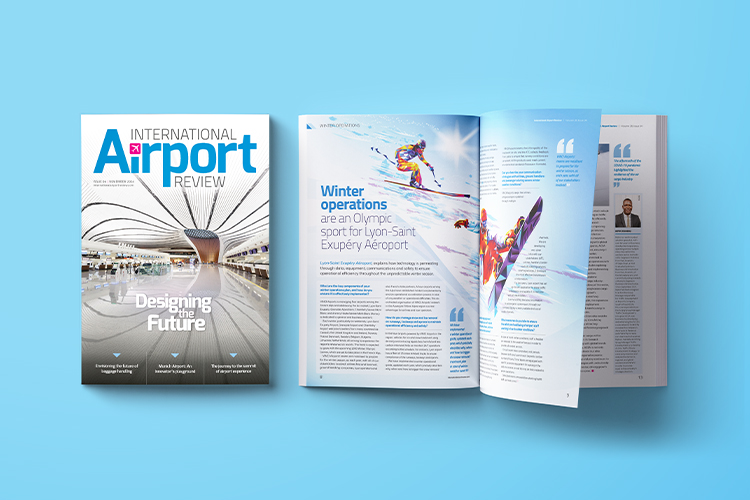
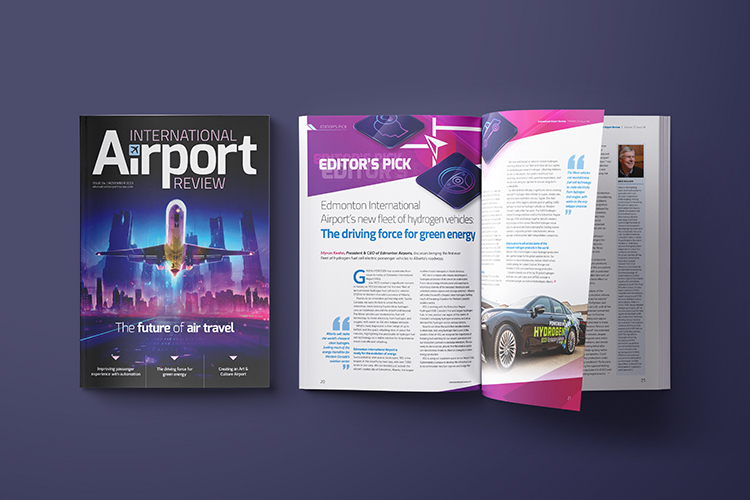
In this issue of International Airport Review we feature articles from industry experts on a range of topics including: innovation, winter operations, cargo, retail, ARFF, airport experience, and airport construction and design. All this, plus an In-Depth Focus on baggage transformation. Read it for free now.
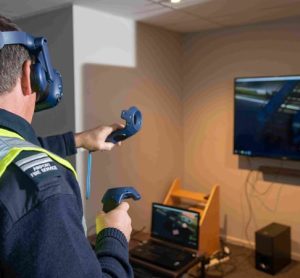
Leah Kosolofski, an Aerodrome Inspector and aircraft rescue firefighting (ARFF) specialist for Transport Canada, writes for International Airport Review about how virtual reality can safeguard firefighters in their training and lower the operational costs for their employers.
For International Airport Review's Issue 4 2023 Mike Willson, a firefighting foam and foam systems specialist investigates whether a new F3 MilSpec for land-based freshwater aviation-use applications is functional enough to keep passengers safe.
In this issue of International Airport Review we feature articles from industry experts on a range of topics including: future-proofing airport infrastructure, construction & design, green energy, automation, health and safety, wayfinding and passenger experience, plus an In-Depth Focus supplement on baggage innovation.
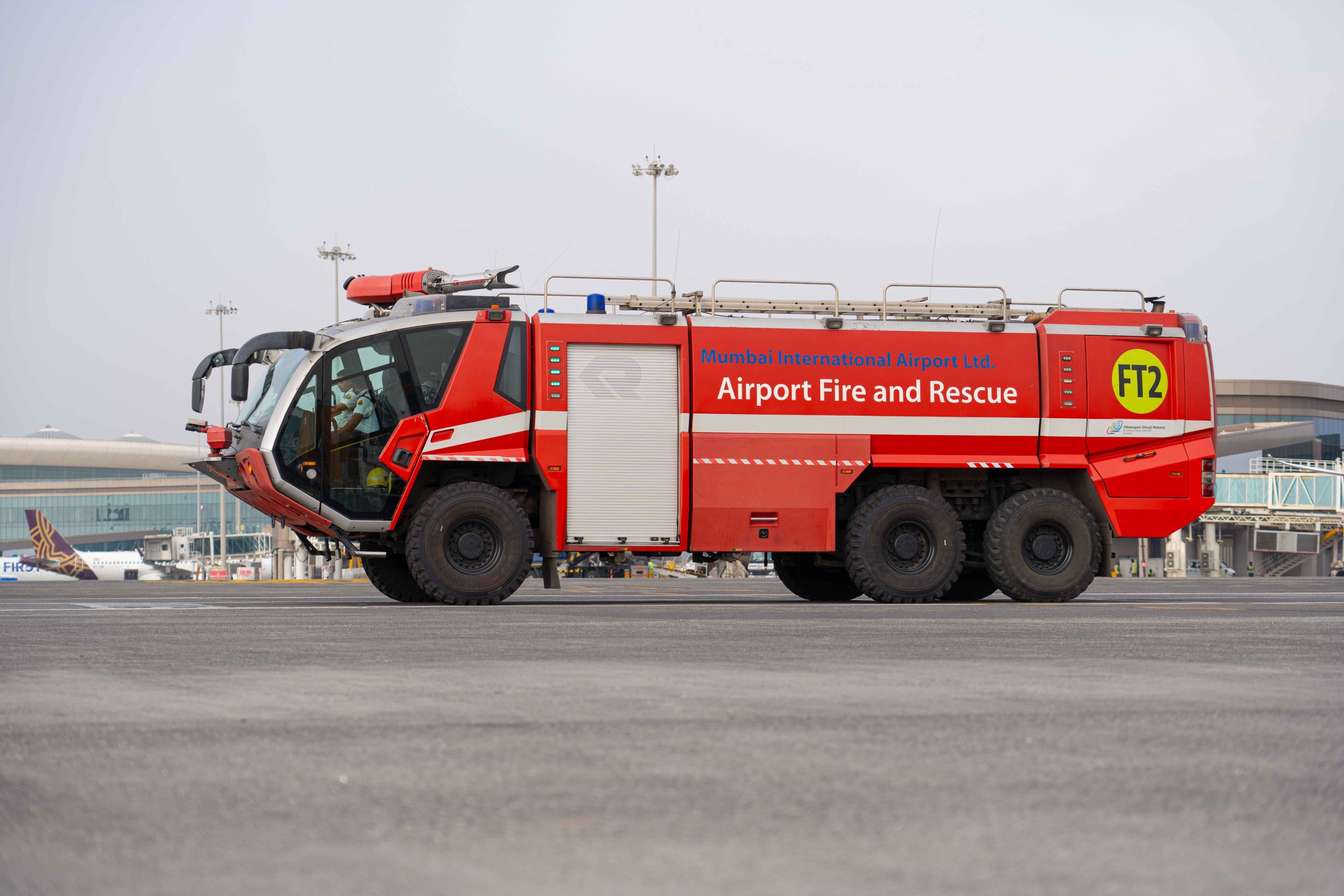
Fire Service Week is observed all over India from 14th April to 20th April every year in the memory of and to pay homage to those brave fire fighters who lost their lives while discharging their duties during the dock explosion at Mumbai in the year 1944.
Airport fire fighters often attend emergencies at short notice, so being constantly prepared is crucial. At Christchurch International Airport, in the South Island of New Zealand, its Airport Fire Service has developed a way to train without an aircraft or firefighting gear. International Airport Review finds out more.
As Canada works towards recovery from the COVID-19 pandemic, the Government of Canada will invest funding in Prince George Airport to maintain the safety and security of the country’s transportation sector.
In recognition of Denver International Airport’s alternative and sustainable ground handling fleet assets, the airport has been awarded the 2022 Leading Airport Fleet award by Advanced Clean Transportation Expo.
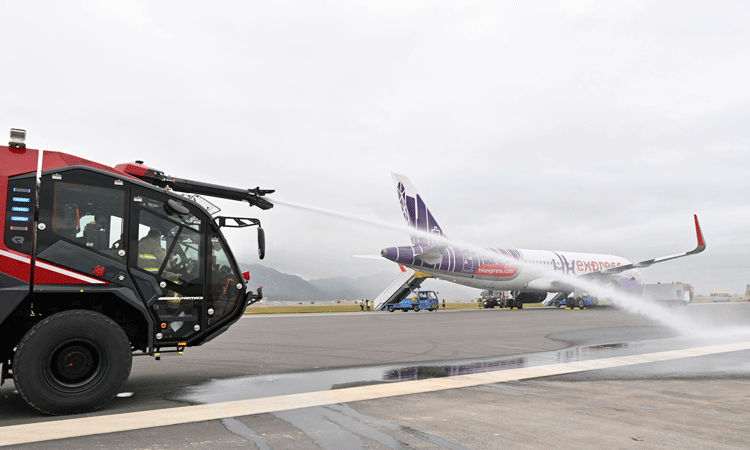
Hong Kong International Airport has conducted an aircraft crash and rescue exercise, with the aim to familiarise the airport community with the safety procedures for the new third runway.
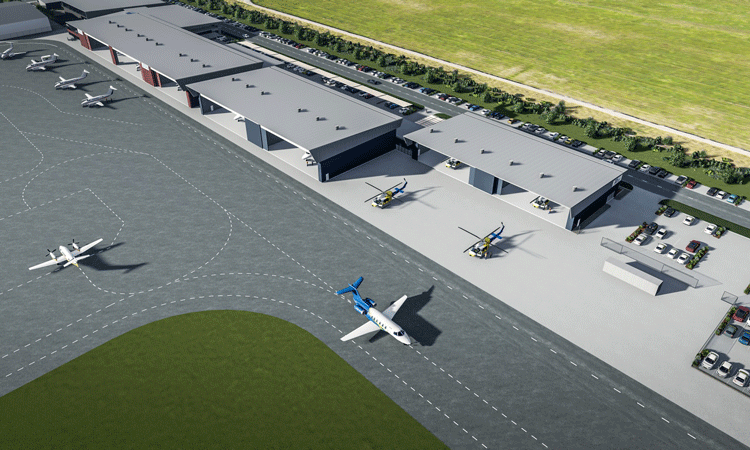
Brisbane Airport is set to welcome a new $72 million Queensland Regional Aeromedical Base that will help ensure that more Queenslanders are connected to major hospitals and life-saving medical care.
Videh Kumar Jaipuriar
Chief Executive Officer
Delhi International Airport Limited
Videh Kumar Jaipuriar has been nominated for his exemplary leadership in managing and navigating Delhi International Airport (DEL) during the COVID-19 pandemic. He led multiple initiatives to ensure business continuity at DEL, which included passenger safety and convenience, stakeholder management, cash conservation, adoption of new technologies, and care for environment and employee safety.
He proactively engaged with the government stakeholders and supported them in safeguarding aviation through strong confidence building measures for travellers, such as developing several indigenous technology solutions like air circulation with six changes per hour and a combination of UV and plasma disinfection systems to provide safest journey experience to their passengers. Under his leadership, DEL has been forefront of implementing safety measures which was later adopted across the country.
Despite lockdown, Jaipuriar ensured that DEL was operational for rescue missions, medical evacuations, and transporting medical essentials to various parts of the country. He further led the Vande Bharat Mission flights of Government of India (a rescue mission to get Indians back to India), as well as rescue flights by other international governments. His outstanding leadership across all areas across the stakeholders in the aviation ecosystem and going beyond the call of duty in managing and navigating this crisis for a national capital airport having national importance makes him the apt choice for the Person of the Year Award.
Eng. Adnan Saggaf
CEO Hajj and Umrah Airport – Jeddah – KSA
Adnan Saggaf continues to demonstrate strong leadership skills throughout the COVID-19 pandemic and brought out of the box ideas in attracting traffic and to support his team during this difficult time. With new innovative ideas in balancing cash flow, the facilities were kept maintained and the personal were kept employed.
Saggaf has protected the financial stability of his staff income, ensured valuable cost cutting management, shown excellent performance of crisis management, and exceptional negotiation skills shown with authority regarding agreement restructuring and receivable payments.
To handle the loss of Umrah traffic to the airport, Saggaf chose to attract new airlines, mainly LCCs, to use the terminal with attractive offers and more reliable services. He built a new strategy by diversifying the airport offers. He prepared the facilities by deploying new technology and working on enhancing passenger experience. Saggaf also initiated a capacity building programme for the airside team by drafting SOPS, training and coaching, as well as initiating dedicated workshops to discuss ideas and to deploy new initiatives.
Leaders show strength in difficult times, and this is exactly what Saggaf showed and why he deserves to be awarded as the Person of the year 2021.
Peter Hall
Chief Operating Officer Sangster International Airport Jamaica
Peter has been with the Sangster International Airport for over 25 years.
He has experience in customer service, operations and now oversees the security function and is also the Chief Operations Officer.
Peter has been instrumental in co-ordinating the preparation and implementation of a COVID-19 response plan for not just MBJ, but to guide the operation of all agencies operating on airport. The aim of this plan was to ensure a safe environment for staff and the travelling public; therefore, this plan was instrumental to establish consumer/travellers/public confidence and provided information and guidelines on the new protocols implemented at the airport.
Peter is well known for his expertise in investigation and aviation security. His co-operation with law enforcement stakeholders has been unrelenting in assuring the security of the airport and stakeholders alike.
While Peter is known as a firm individual that displays the outmost professionalism and integrity, he operates on the basis of equity and fairness in all matters relating to staff, clients, passengers and the general public.
Robson Freitas
Head of Operations, Safety and Emergency Belo Horizonte International Airport
Robson Freitas has developed and led the BH Airport plan for the resumption of airport operations post-COVID-19, as well as being responsible for leading the group of Directors and Managers at the airport, defining the three main pillars of recovery: Health and Safety of People, Institutional and Integrated Communication and Institutional Partners. These central pillars include ensuring hygiene and health and social distances measures for passengers, users, and the airport community, in addition to participating in strategic committees involving the public sectors to comply with regulatory rules. Freitas developed the COVID guardians programme, who were responsible in monitoring and following up on the measures already implemented for COVID-19 and advising users, employees and other people on compliance with distancing, hygiene and health measures recommended by health authorities. He also developed a COVID booklet with information and guidance for the airport community regarding good hygiene and health practices and led the beginning of the publication of a monthly newsletter with passenger curve information, allowing the planning of reopening and rehiring by commercial stores. Freitas also supported the reduction of OPEX by planning the temporary closure of areas, toilets and equipment in common use and internalising some activities.
Satyaki Raghunath
Chief Strategy Development Officer Bangalore International Airport Limited
During the COVID-19 pandemic, Raghunath worked closely with all the aero concessionaires and cargo operators to minimise disruption and provide financial relief to them. The airline marketing team helped launch a historic first route to the U.S. West Coast and the cargo team at BIAL also achieved record numbers over this period, with the airport becoming India’s leading airport for the export of perishables. Despite the impact of COVID-19, Raghunath has led a digital transformation and expansion at BIAL airport, with new initiatives and the deployment of the fully biometric-based self-boarding solution for seamless passenger flow and travel experiences and a process automation and analytics platform. These initiatives amongst many others, meant that the airport won ACI World’s ‘Voice of the Customer’ initiative, which recognised BIAL airports efforts to prioritise their customers during COVID-19. Raghunath has remained a staunch and resilient leader during such an uncertain time and is very much appreciated by his team.
Alicia Prince
Head of Operations Cairns Airport
As Head of Operations, Alicia Prince has played a critical role in leading and navigating Cairns Airport through the COVID-19 pandemic. During the pandemic, Prince implemented a functional plan to ensure business continuity and staff welfare, segregating front-line operational staff into work teams to avoid interaction between groups, as well as strict sanitisation processes. She ensured that the $55 million domestic Terminal upgrade continued safely despite the unprecedented COVID-19 crisis.
She also deployed the COVIDSafe Operation Plan for Cairns Airport, which was endorsed and later commended by Queensland Chief Health Officer. As part of this plan Alicia developed an airport layout to provide physical separation of low risk and high-risk arrivals and initiated increased hygiene and sanitisation protocols. The health and safety of the airport community was paramount to maintaining operations, and in response to this Alicia initiated a COVIDSafe training program for the entire airport community and worked closely with her team to deliver.
As a result of the great work Prince has done to ensure COVID-19 best practices, Cairns Airport was one of the first Australian Airports to be awarded an ACI Global Health Accreditation.
Alicia also led the terminal optimisation project, which assessed and implemented terminal downscales due to the crisis. Significant savings (both financial and environmental) were achieved by reducing the operational footprint of the airport.
Whilst maintaining operations throughout the pandemic was a priority, Alicia ensured her team were kept well informed and engaged. Cairns Airport has a team of 33 volunteers which form part of Alicia’s wider team. To ensure they remained connected and cared for, Alicia and her team created care packages including home-made cakes and personally delivered to each of the volunteers’ houses in a COVIDSafe manner. Alicia demonstrated great leadership throughout the pandemic and continues to do so today. Her clear and transparent communication and collaboration with other Australian Airports and key agencies to ensure best practice and alignment contributed greatly to business continuity. Furthermore, all the above was managed whilst working remotely and juggling home schooling with her two young boys.
Balram Bheodari
Airport General Manager Hartsfield-Jackson Atlanta International Airport
Balram Bheodari leads Hartsfield-Jackson Atlanta International Airport as North America’s most efficient airport, due to his vast knowledge of and astute attention to efficiency in aviation, which has allowed the airport to thrive in the most difficult of markets. Bheodari combines operational expertise, integrity, and selflessness to provide a quality of leadership throughout Atlanta Airport. He oversees all facets of airport governance, including operations and a multi-billion-dollar capital improvement programme, ATLNext, designed to pave the way for Atlanta’s growth over the next 20 years. During COVID-19, Bheodari developed a comprehensive resumption of operations playbook that served to support ATL’s recovery efforts. With guidance from the Federal Aviation Administration and Centers for Disease Control and Prevention (CDC) amid evolving health and safety guidelines, Bheodari steadfastly encouraged collaboration among stakeholders, team-building among aviation employees, and adaptability in uncertain times. Throughout the pandemic, he participated in daily calls with Airports Council International and other large-hub airports to share best practices as well as information from Washington, D.C. federal offices and the CDC.
He aimed to restore customer confidence and ensure the airport was a healthy facility using COVID-19 safe protocols. Since, the airport achieved Airport of the Year by the Airport Minority Advisory Council (AMAC).
During the height of the pandemic, Bheodari was the most ardent supporter of our mission-critical employees. Having worked his way up through the ranks, he fully appreciates the oftentimes thankless jobs these employees perform that keep the Airport safe and running optimally at all times. Morale never flagged because Bheodari made sure those employees felt valued through hazard pay, special meals, social media posts, intranet spotlight features, and other incentives.
His actions and his directives all reflect his commitment to the three key focus areas of our organisation’s strategic plan: people, purpose and performance.
Jonas Abrahamsson
CEO Swedavia Airports
Jonas Abrahamsson has shown the strength to steer the company towards its long-term sustainable goals, despite the challenges of COVID-19. Abrahamsson has ensured that Swedavia achieved its net zero target for all ten of the airports in 2020 and has continued to support strategic development and innovation to further the cause of sustainable air travel. During 2020, when passenger numbers where down over 90 per cent and a lot of investments were paused, he decided that investments in the company’s net zero target should proceed, allowing Swedavia to become the first net zero airport group by the end of 2020.
Chris Dinsdale
Chief Executive Officer Budapest Airport
Chris Dinsdale has worked at Budapest Airport since 2015, originally as CFO until March 2021, where he was nominated for the position as CEO. During the COVID-19 pandemic, Dinsdale, as CFO of the airport at the time, fought relentlessly to make sure that the company survived the crisis and worked with great commitment to secure the funding of the airport. For example, a voluntary salary cut for the executives and the founding of the Budapest Airport Foundation, which supports blue collar workers who lost their job during the COVID-19 pandemic.
After being nominated to CEO position in March 2021, Dinsdale continues to work closely with the executive team to create a clear COVID-19 recovery strategy for Budapest Airport. This will also mean that we come out stronger of the pandemic and have a clear focus. Dinsdale is an inspiring true leader who helped us all to cope with the very difficult times of the pandemic and I am convinced that he truly deserves this award.
This website uses cookies to enable, optimise and analyse site operations, as well as to provide personalised content and allow you to connect to social media. By clicking "I agree" you consent to the use of cookies for non-essential functions and the related processing of personal data. You can adjust your cookie and associated data processing preferences at any time via our "Cookie Settings". Please view our Cookie Policy to learn more about the use of cookies on our website.
This website uses cookies to improve your experience while you navigate through the website. Out of these cookies, the cookies that are categorised as "Necessary" are stored on your browser as they are as essential for the working of basic functionalities of the website. For our other types of cookies "Advertising & Targeting", "Analytics" and "Performance", these help us analyse and understand how you use this website. These cookies will be stored in your browser only with your consent. You also have the option to opt-out of these different types of cookies. But opting out of some of these cookies may have an effect on your browsing experience. You can adjust the available sliders to 'Enabled' or 'Disabled', then click 'Save and Accept'. View our Cookie Policy page.
Necessary cookies are absolutely essential for the website to function properly. This category only includes cookies that ensures basic functionalities and security features of the website. These cookies do not store any personal information.
Cookie
Description
cookielawinfo-checkbox-advertising-targeting
The cookie is set by GDPR cookie consent to record the user consent for the cookies in the category "Advertising & Targeting".
cookielawinfo-checkbox-analytics
This cookie is set by GDPR Cookie Consent WordPress Plugin. The cookie is used to remember the user consent for the cookies under the category "Analytics".
cookielawinfo-checkbox-necessary
This cookie is set by GDPR Cookie Consent plugin. The cookie is used to store the user consent for the cookies in the category "Necessary".
cookielawinfo-checkbox-performance
This cookie is set by GDPR Cookie Consent WordPress Plugin. The cookie is used to remember the user consent for the cookies under the category "Performance".
PHPSESSID
This cookie is native to PHP applications. The cookie is used to store and identify a users' unique session ID for the purpose of managing user session on the website. The cookie is a session cookies and is deleted when all the browser windows are closed.
viewed_cookie_policy
The cookie is set by the GDPR Cookie Consent plugin and is used to store whether or not user has consented to the use of cookies. It does not store any personal data.
zmember_logged
This session cookie is served by our membership/subscription system and controls whether you are able to see content which is only available to logged in users.
Performance cookies are includes cookies that deliver enhanced functionalities of the website, such as caching. These cookies do not store any personal information.
Cookie
Description
cf_ob_info
This cookie is set by Cloudflare content delivery network and, in conjunction with the cookie 'cf_use_ob', is used to determine whether it should continue serving “Always Online” until the cookie expires.
cf_use_ob
This cookie is set by Cloudflare content delivery network and is used to determine whether it should continue serving “Always Online” until the cookie expires.
free_subscription_only
This session cookie is served by our membership/subscription system and controls which types of content you are able to access.
ls_smartpush
This cookie is set by Litespeed Server and allows the server to store settings to help improve performance of the site.
next-i18next
This cookie is served by the Swapcard app/website to detect and store the user’s language.
one_signal_sdk_db
This cookie is set by OneSignal push notifications and is used for storing user preferences in connection with their notification permission status.
YSC
This cookie is set by Youtube and is used to track the views of embedded videos.
Analytics cookies collect information about your use of the content, and in combination with previously collected information, are used to measure, understand, and report on your usage of this website.
Cookie
Description
bcookie
This cookie is set by LinkedIn. The purpose of the cookie is to enable LinkedIn functionalities on the page.
GPS
This cookie is set by YouTube and registers a unique ID for tracking users based on their geographical location
lang
This cookie is set by LinkedIn and is used to store the language preferences of a user to serve up content in that stored language the next time user visit the website.
lidc
This cookie is set by LinkedIn and used for routing.
lissc
This cookie is set by LinkedIn share Buttons and ad tags.
nQ_cookieId
This cookie is served by the Swapcard event app/website and uniquely identifies the user’s session.
nQ_visitId
This cookie is served by the Swapcard app/website and uniquely identifies the user.
vuid
We embed videos from our official Vimeo channel. When you press play, Vimeo will drop third party cookies to enable the video to play and to see how long a viewer has watched the video. This cookie does not track individuals.
wow.anonymousId
This cookie is set by Spotler and tracks an anonymous visitor ID.
wow.schedule
This cookie is set by Spotler and enables it to track the Load Balance Session Queue.
wow.session
This cookie is set by Spotler to track the Internet Information Services (IIS) session state.
wow.utmvalues
This cookie is set by Spotler and stores the UTM values for the session. UTM values are specific text strings that are appended to URLs that allow Communigator to track the URLs and the UTM values when they get clicked on.
_ga
This cookie is set by Google Analytics and is used to calculate visitor, session, campaign data and keep track of site usage for the site's analytics report. It stores information anonymously and assign a randomly generated number to identify unique visitors.
_gat
This cookies is set by Google Universal Analytics to throttle the request rate to limit the collection of data on high traffic sites.
_gid
This cookie is set by Google Analytics and is used to store information of how visitors use a website and helps in creating an analytics report of how the website is doing. The data collected including the number visitors, the source where they have come from, and the pages visited in an anonymous form.
Advertising and targeting cookies help us provide our visitors with relevant ads and marketing campaigns.
Cookie
Description
advanced_ads_browser_width
This cookie is set by Advanced Ads and measures the browser width.
advanced_ads_page_impressions
This cookie is set by Advanced Ads and measures the number of previous page impressions.
advanced_ads_pro_server_info
This cookie is set by Advanced Ads and sets geo-location, user role and user capabilities. It is used by cache busting in Advanced Ads Pro when the appropriate visitor conditions are used.
advanced_ads_pro_visitor_referrer
This cookie is set by Advanced Ads and sets the referrer URL.
bscookie
This cookie is a browser ID cookie set by LinkedIn share Buttons and ad tags.
IDE
This cookie is set by Google DoubleClick and stores information about how the user uses the website and any other advertisement before visiting the website. This is used to present users with ads that are relevant to them according to the user profile.
li_sugr
This cookie is set by LinkedIn and is used for tracking.
UserMatchHistory
This cookie is set by Linkedin and is used to track visitors on multiple websites, in order to present relevant advertisement based on the visitor's preferences.
VISITOR_INFO1_LIVE
This cookie is set by YouTube. Used to track the information of the embedded YouTube videos on a website.



















 Chief Executive Officer
 CEO
CEO Chief Operating Officer
 Head of Operations, Safety and Emergency
 Chief Strategy Development Officer
 Head of Operations
 Airport General Manager
 CEO
CEO Chief Executive Officer