


Compostable security bags to be trialled by London Stansted Airport
- Like
- Digg
- Del
- Tumblr
- VKontakte
- Buffer
- Love This
- Odnoklassniki
- Meneame
- Blogger
- Amazon
- Yahoo Mail
- Gmail
- AOL
- Newsvine
- HackerNews
- Evernote
- MySpace
- Mail.ru
- Viadeo
- Line
- Comments
- Yummly
- SMS
- Viber
- Telegram
- Subscribe
- Skype
- Facebook Messenger
- Kakao
- LiveJournal
- Yammer
- Edgar
- Fintel
- Mix
- Instapaper
- Copy Link
Posted: 17 December 2019 | International Airport Review | No comments yet
Changing to an environmentally-friendly, compostable alternative could stop the waste of 11 million plastic security bags per year.
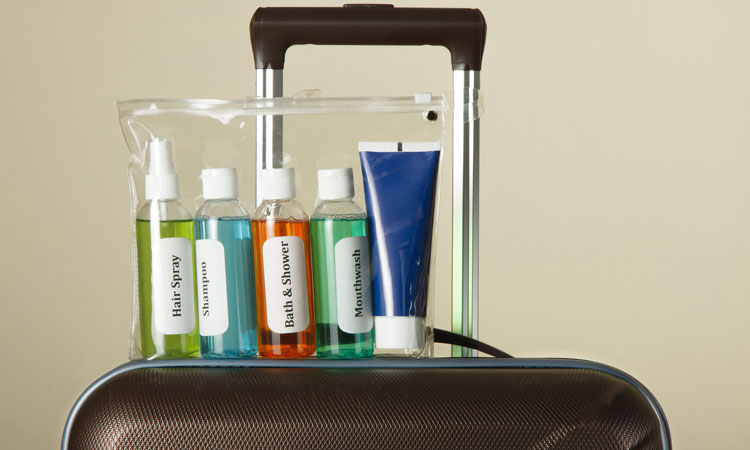
London Stansted Airport is set to become the first major airport in the UK to trial fully compostable security bags to be utilised by passengers carrying liquids within their hand luggage.
If the trials are deemed successful, the new environmentally-friendly alternative will replace the annual 11 million non-compostable plastic bags handed out to passengers in the terminal.
Environment Manager at London Stansted Airport, Martin Churley, said: “Trialling new compostable bags is just another example of how we are leading the way in tackling some of the local environmental impacts which come with running this small town that we oversee here at London Stansted.”
It has been a legal requirement since 2006 for passengers to limit liquids, aerosols and gels to containers no larger than 100ml within hand luggage and that all containers are placed into clear, re-sealable bags. Following working closely with the Department for Transport and the Civil Aviation Authority, Stansted have received approval for the trial of compostable bags at security gates.
The trial is the result of suggestions being made for more sustainable options to be considered for security bags and to encourage passengers to only take the necessary bags for their journey.
Staff will be distributing 50,000 compostable bags to passengers during the Christmas period, which is one of the busiest weeks at the airport. The trial will also seek passenger feedback on the new initiative and their wider attitudes to sustainable travel. Passengers who prefer to use the current plastic security bags will be reminded to recycle the product by reusing them as many times as possible when travelling in the future.
Churley emphasised: “As we reach the end of another busy year, tens of thousands of passengers have been passing through the terminal each day – each with a plastic bag for their liquids, many of which will simply end up in the bin. Our first message to passengers is to think carefully about how often they use the non-recyclable plastic bags. They can obviously be used again for a return flight, but there are plenty of other uses for them if you’re not a frequent flyer, so we’re urging people to avoid throwing them away after they fly.”
Passengers are also being encouraged to bring refillable bottles that can be filled at the airport water fountains and are being asked for their views on carbon offsetting and using public transport to arrive at and depart from the airport.






 Chief Executive Officer
 CEO
CEO Chief Operating Officer
 Head of Operations, Safety and Emergency
 Chief Strategy Development Officer
 Head of Operations
 Airport General Manager
 CEO
CEO Chief Executive Officer