


World’s first electronic dangerous goods declaration at Frankfurt Airport
- Like
- Digg
- Del
- Tumblr
- VKontakte
- Buffer
- Love This
- Odnoklassniki
- Meneame
- Blogger
- Amazon
- Yahoo Mail
- Gmail
- AOL
- Newsvine
- HackerNews
- Evernote
- MySpace
- Mail.ru
- Viadeo
- Line
- Comments
- Yummly
- SMS
- Viber
- Telegram
- Subscribe
- Skype
- Facebook Messenger
- Kakao
- LiveJournal
- Yammer
- Edgar
- Fintel
- Mix
- Instapaper
- Copy Link
Posted: 19 September 2018 | International Airport Review | No comments yet
Lufthansa Cargo is the first airline to support the eDGD standard – Pilot phase of Dakosy’s INFr8 shipping portal successfully launched.
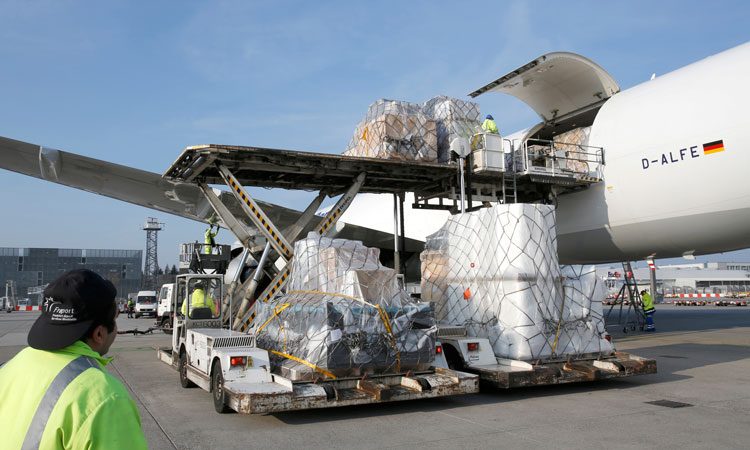
Lufthansa Cargo, using the INFr8 platform, has handled the world’s first dangerous goods shipment with an electronic Dangerous Goods Declaration (eDGD) at Frankfurt Airport. A shipment from healthcare giant Abbott Diagnostics in Wiesbaden was flown on board cargo flight LH8222 to Mexico City on 13th September 2018.
Lufthansa Cargo has made a significant contribution to the establishment of the global eDGD standard as part of IATA’s e-freight initiative. A completely new approach has been developed and evaluated through close collaboration along the transport chain with the Infr8 eDGD platform.
Lufthansa Cargo’s IT systems and processes can now deal with paperless dangerous goods shipments. This makes the Frankfurt-based cargo carrier the first airline to support the eDGD standard.
Sören Stark, Board Member Operations and COO of Lufthansa Cargo commented: “We are pleased that the eDGD has celebrated its global launch with Lufthansa Cargo. This underscores our claim to be the industry pioneer in digitisation. There is still so much more for us to achieve here together with shippers, forwarders and airports.”
Hand-in-hand with this, the pilot phase of the INFr8 shipping portal has been successfully launched. All pilot partners are digitally connected to the platform and can use it to process transport documents – including the Dangerous Goods Declaration (DGD) required by law.
Ulrich Wrage, CEO of DAKOSY AG, in reference to the launch of the INFr8 pilot said: “Our shipping portal solves a major challenge in the air cargo supply chain, ensuring greater reliability and transparency for all. We are greatly simplifying processes across company boundaries.”
Besides Lufthansa Cargo, logistics service provider Panalpina has also been a key process partner to Dakosy, the platform developer. Frankfurt Airport plays a major role in dangerous goods handling for both companies. Fraport AG, responsible for providing and operating the airport’s infrastructure, has contributed significantly to the development of the portal.
Anke Giesen, Executive Director Operations at Fraport AG, welcoming the launch of the shipping portal said: “Thanks to this worldwide innovation, the INFr8 platform integrates the shipper into the electronic information chain of the air cargo process for the first time. We expect this to result in shorter check-in times and much faster handling of dangerous goods.”
The dangerous goods process has traditionally been paper-based due to the lack of digital standards. Dangerous Goods Declarations on paper from shippers arrive at the airport with the respective goods. Accordingly, airlines can only begin checking the documentation after handover. Thanks to the new electronic system, however, errors in accompanying documentation can be detected and ironed out before the airline receives the shipment. This will translate into fewer rejected shipments in the future. It will also mean faster processes and better use of resources.
Related topics
Communication Technology, Regulation and Legislation, Safety
Related organisations
Abbott Diagnostics, Fraport AG, International Air Transport Association (IATA), Lufthansa Cargo




 Chief Executive Officer
 CEO
CEO Chief Operating Officer
 Head of Operations, Safety and Emergency
 Chief Strategy Development Officer
 Head of Operations
 Airport General Manager
 CEO
CEO Chief Executive Officer