


Korean Airlines tighten cabin safety rules with full ban on in-flight power bank use
Posted: 26 January 2026 | Gabriel Higgins | No comments yet
Five South Korean airlines will prohibit in-flight power bank use from January 26, tightening cabin safety rules amid growing concerns over lithium-ion battery fire risks.
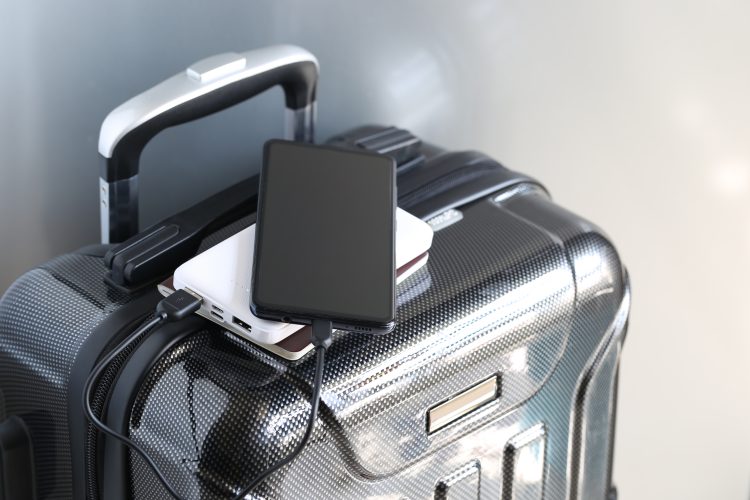
Korean Air and four other South Korean airlines will ban the in-flight use of power banks from January 26, introducing stricter cabin safety measures in response to rising concerns over lithium-ion battery fires.
Under the new policy, passengers travelling on Korean Air, Asiana Airlines, Jin Air, Air Busan and Air Seoul will no longer be permitted to use power banks to charge electronic devices such as mobile phones, tablets, laptops or cameras during flights. The ban applies across all routes operated by the five airlines.
Power banks may still be carried in the cabin in line with existing regulations on capacity and quantity, but their use and charging on board will be strictly prohibited. To minimise the risk of short circuits, passengers must cover exposed metal charging ports with electrical tape or place each power bank in a separate plastic bag or pouch.
The airlines have also set clear storage requirements. Power banks must remain within personal reach, either on the passenger, in the seatback pocket or under the seat in front. They must not be stored in overhead bins under any circumstances.
Passengers will be informed of the updated regulations through airline websites, mobile applications, airport check-in counters and direct notification messages. Additional announcements will be made at boarding gates and on board aircraft to reinforce awareness and compliance.
The decision follows an increase in reported in-flight fire incidents linked to lithium-ion power banks, prompting the aviation industry to re-evaluate cabin safety practices.
“The ban on the in-flight use of power banks is a necessary measure to ensure the highest standards of flight safety, and passenger cooperation is essential,” said a Korean Air representative. “Korean Air remains fully committed to providing a safe, secure and comfortable travel experience for all customers.”
Prior to the ban, the airlines had already introduced preventive measures aligned with Ministry of Land, Infrastructure and Transport policies. These include providing insulation tape at airports, equipping aircraft with fire containment bags, installing temperature-sensitive stickers in overhead bins and enhancing cabin crew training with dedicated power bank fire response drills.
Stay Ahead in Aviation — Subscribe for Free!
Get exclusive access to the latest aviation insights from International Airport Review — all tailored to your interests.
✅ Expert-Led Webinars – Learn from industry leaders
✅ Weekly News & Reports – Airport updates, thought leadership, and exclusive interviews
✅ Event Invitations – Be part of the International Airport Summit
✅ Partner Innovations – Discover the latest industry trends
Choose the updates that matter most to you. Sign up now and stay informed, inspired, and connected — all for free!
Thank you for being part of our community. Let’s keep exploring the future of aviation together!
Stay Connected with International Airport Review — Subscribe for Free!
Get exclusive access to the latest airport and aviation industry insights from International Airport Review — tailored to your interests.
✅ Expert-Led Webinars – Gain insights from global aviation leaders
✅ Weekly News & Reports – Airport innovation, thought leadership, and industry trends
✅ Exclusive Industry Insights – Discover cutting-edge technologies shaping the future of air travel
✅ International Airport Summit – Join our flagship event to network with industry leaders and explore the latest advancements
Choose the updates that matter most to you.
Sign up now to stay informed, inspired, and connected — all for free!
Thank you for being part of our aviation community. Let’s keep shaping the future of airports together!
Related topics
Airlines, In-flight activity, Recruitment and training, Regulation and Legislation, Risk Management Solutions, Safety, Security






 Chief Executive Officer
 CEO
CEO Airport General Manager
 Head of Operations
 Chief Strategy Development Officer
 Head of Operations, Safety and Emergency
 Chief Operating Officer
 CEO
CEO Chief Executive Officer