


COVID-19 causes air cargo demand to fall in February 2020
- Like
- Digg
- Del
- Tumblr
- VKontakte
- Buffer
- Love This
- Odnoklassniki
- Meneame
- Blogger
- Amazon
- Yahoo Mail
- Gmail
- AOL
- Newsvine
- HackerNews
- Evernote
- MySpace
- Mail.ru
- Viadeo
- Line
- Comments
- Yummly
- SMS
- Viber
- Telegram
- Subscribe
- Skype
- Facebook Messenger
- Kakao
- LiveJournal
- Yammer
- Edgar
- Fintel
- Mix
- Instapaper
- Copy Link
Posted: 2 April 2020 | International Airport Review | No comments yet
As the consequences of COVID-19 began to impact the air cargo industry in February, IATA data found that cargo demand saw a 1.4 per cent decrease.
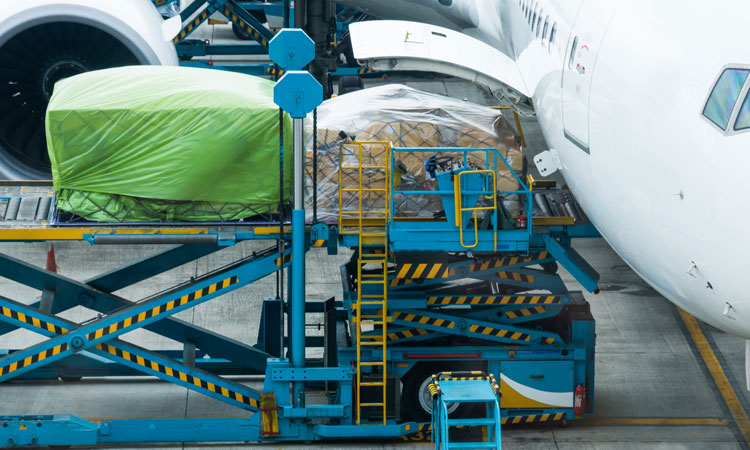
The International Air Transport Association (IATA) has released data for global air freight markets in February 2020, showing that demand decreased by 1.4 per cent, compared to the same period in 2019, due to the impact of COVID-19 on the industry.
After adjusting the comparison for the impact of the Lunar New Year – which fell in February in 2019 – and the leap year in 2020, which meant an additional day of activity, seasonally-adjusted demand was down by 9.1 per cent month-on-month in February 2020.
IATA’s Director General and CEO, Alexandre de Juniac, said: “The spread of COVID-19 intensified over the month of February and, with it, the impact on air cargo. Adjusted demand for air cargo fell by 9.1 per cent. Asia-Pacific carriers were the most affected with a seasonally-adjusted drop of 15.5 per cent. What has unfolded since is a story of two halves. The disruption of global supply chains led to a fall in demand. But the dramatic disruption in passenger traffic resulted in even deeper cuts to cargo capacity. The industry is struggling to serve remaining demand with the limited capacity available. We only got a first glimpse of this in February.”
By February 2020, the negative impacts of the COVID-19 crisis on air cargo demand became visible. The month witnessed several significant developments:
- Manufacturing production in China, one of the world’s largest air cargo markets, dropped sharply due to widespread factory closures and travel restrictions
- Global export orders fell to a historically low level – the global Purchasing Managers Index (PMI) is in contraction territory, with all major trading nations reporting falling orders
- Significant cargo capacity was lost as a result of airlines reducing passenger operations in response to government travel restrictions and border closures due to COVID-19, severely impacting global supply chains.
Cargo capacity dropped by 4.4 per cent year-on-year in February 2020. This is subject to the same distortions as the non-seasonally adjusted demand numbers.
De Juniac continued: “Among all the uncertainty in this crisis, one thing is clear – air cargo is vital. It is delivering lifesaving drugs and medical equipment, and supporting global supply chains. That’s why it is critical for governments to remove any blockers, as the industry does all it can to keep the global air cargo network functioning in the crisis and ready for the recovery.”






 Chief Executive Officer
 CEO
CEO Chief Operating Officer
 Head of Operations, Safety and Emergency
 Chief Strategy Development Officer
 Head of Operations
 Airport General Manager
 CEO
CEO Chief Executive Officer