
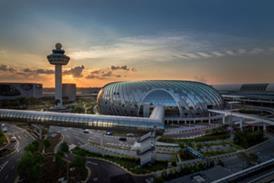


Davide Bassano, Director of Sustainability at Gruppo SAVE, discusses how Venezia Airport is preparing hydrogen-ready infrastructure, incorporating whole life carbon assessments into decision-making, and engaging stakeholders across the aviation value chain to achieve net zero emissions by 2030—two decades ahead of European sector targets.
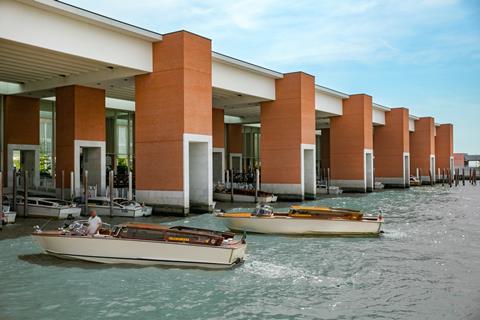
Davide Bassano, Director of Sustainability at Gruppo SAVE answers audience questions received during International Airport Review’s recent energy transition webinar.
What actions are being implemented at your airport to engage all stakeholders in this energy transition process?
Venezia Airport and SAVE are advancing the energy transition through a collaborative model that brings together internal teams, institutions, operators, and the wider territory. Engagement is structured through the ACA Level 4+ framework, which requires a formal stakeholder partnership system with ongoing training, information sessions, and shared emission reduction initiatives among all airport actors. A permanent technical working group ensures that every operational function participates in designing sustainability actions, fostering shared awareness and responsibility across the airport community.
The Masterplan 2037 has been shaped through an extensive public debate involving local institutions, citizens, environmental authorities, and technical stakeholders, ensuring that decisions on infrastructure, mobility, environmental protection, and energy systems reflect collective input. SAVE also collaborates continuously with regional and municipal authorities to align energy transition measures with territorial needs and environmental constraints. Engagement extends to airlines, handlers, and tenants through co-ordinated operational improvements, joint decarbonisation measures, and structured communication channels. At the national level, Venezia Airport participates in the Aeroporti 2030 network and is developing an innovation hub open to stakeholders and startups to accelerate renewable energy and digital transition projects. Across all levels, training, awareness programmes, and culture-building initiatives reinforce the active involvement of employees and partners in achieving shared sustainability goals.
What would you have to modify in the airport infrastructure to support hydrogen production?
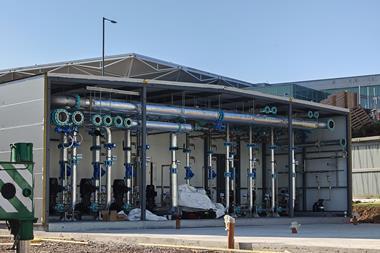
Venezia Airport’s plans to support hydrogen production focus on creating a dedicated onsite area capable of hosting the full hydrogen value chain. The Energy Transition Plan foresees allocating up to two hectares within the airport perimeter to install electrolysers and hydrogen storage systems, providing the necessary space and safety conditions for future operations. This set-up would require adapting existing technical infrastructure, including internal networks, operational areas, and regulatory procedures, to safely integrate hydrogen into airport systems. Parallel work carried out with industrial partners such as Airbus and SNAM is analysing demand scenarios, supply chain options, operational impacts, and compliance requirements, helping shape a long-term pathway for the airport to become a future hydrogen-ready hub.
How are you incorporating whole life carbon in your decision-making?
Venezia Airport and SAVE incorporate whole life carbon thinking by embedding sustainability into every stage of planning, design and operational decision-making. Their Sustainability Masterplan makes carbon a structural criterion rather than an add-on, ensuring that long-term impacts guide choices on infrastructure, energy systems and environmental management. Sustainability is integrated across all phases of project development, with early regulatory engagement, assessment of ecological sensitivity, and adoption of circular economy principles to minimise material use, waste and lifecycle emissions. The commitment to achieving net zero by 2030 further reinforces this approach, as the airport evaluates each investment based on its contribution to reducing fossil fuel dependence and improving long-term energy efficiency, from tri-generation phaseout to expansion of renewable energy systems. Through this integrated framework, whole life carbon considerations influence how assets are designed, how technologies are selected and how the airport plans its long-term evolution within the constraints of the lagoon environment.
It seems that one reason for investing in solar panels at the airport is decarbonisation. Could you say whether they are also profitable?
Yes – the investment in solar panels at Venezia Airport is not only a decarbonisation measure but also carries a profitability dimension.
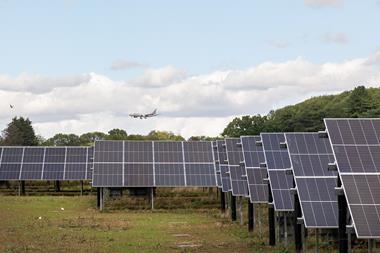
The airport already generates a significant share of its electricity onsite through tri-generation and four photovoltaic systems, reducing the amount of energy purchased from the grid and lowering operating costs. This shift toward self production is part of a broader plan to replace fossil fuel-based systems with 100% renewable energy, evaluated through detailed assessments of decarbonisation potential, technological efficiency and implementation costs.
Further, the Energy Transition Masterplan positions the airport as a future renewable energy hub, capable of producing more energy than it consumes thanks to over 75 MWp of planned photovoltaic capacity combined with storage. This strategic surplus would allow the airport not only to cover its own needs but potentially to supply green electricity to surrounding communities, mobility systems and logistics operators, creating additional economic value beyond internal consumption savings.
In summary, solar investments at Venezia Airport serve a dual purpose: cutting emissions as part of the net zero pathway, and strengthening the airport’s long-term energy autonomy and economic resilience through reduced energy costs and the potential for future energy market participation.

What role are you taking on airline fuel selection? Could you share your views on hydrogen flights and any preparations for that?
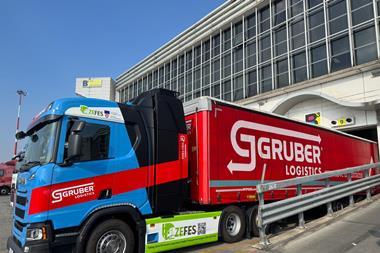
Venezia Airport and SAVE do not select fuels on behalf of airlines, as fuel choice remains the exclusive responsibility of carriers and fuel suppliers. However, the company actively supports the transition toward cleaner aviation energy by creating the enabling conditions for future sustainable fuels. This includes participation in projects on alternative fuels, such as HVO for handling fleets and support systems, and the progressive electrification of ground operations as shown in the airport’s sustainability initiatives.
Regarding hydrogen, SAVE is taking an anticipatory and facilitative role. Through a joint study with Airbus and SNAM, the airport is examining hydrogen demand, supply chain requirements, infrastructure impacts, and regulatory considerations needed to make the airport hydrogen ready in the long term. The company is also advancing practical testing through the hydrogen sandbox project, which enables experimental hydrogen-powered drone operations, including on-site green hydrogen production, storage and refuelling capabilities. This work is carried out with ENAC and industry partners and is already formally authorised for testing.
Overall, while SAVE does not decide what fuel airlines must use, it is preparing the airport ecosystem for a future where hydrogen and other low carbon fuels can be adopted safely and efficiently, ensuring that infrastructure, regulatory processes and operational capacities evolve in step with emerging aviation technologies.
From your perspective, what are the most critical sustainability dimensions to prioritise for long-term airport development towards 2050, and which emerging trends are likely to shape airport strategies over the coming decades?
The airport has set an accelerated decarbonisation target, aiming for net zero carbon emissions by 2030, far ahead of the European aviation sector’s 2050 horizon, and this ambition positions carbon reduction and energy transition as the central pillars of development. This commitment is supported by existing infrastructure such as trigeneration systems and multiple photovoltaic installations distributed across the airport grounds, as well as the strategic plan to gradually abandon fossil fuels and rely instead on clean energy technologies to increase efficiency, reduce consumption, and lower emissions. These elements make decarbonisation and energy efficiency the fundamental sustainability dimensions that guide future planning.
The SAVE Group’s master planning reinforces this direction by allocating over €380 million to sustainability initiatives within a broader €2billion development plan extending to 2037, embedding ESG governance into operational planning and aligning its strategy with global standards and net zero commitments. The Sustainability Report follows established GRI frameworks and has undergone external assurance, signalling a strong internal governance foundation that will be essential when navigating the regulatory landscape toward 2050.
A second strategic dimension concerns resilient, flexible infrastructure capable of adapting to evolving technologies, regulatory changes, and environmental challenges. The Venice Airport Sustainability Masterplan outlines the importance of designing infrastructure with flexibility in mind and emphasises the need to prioritise intermodal transport connections to reduce emissions and improve accessibility. Early engagement with local communities is highlighted as a decisive factor for aligning development with territorial expectations and long-term social acceptance. These insights point to the necessity of integrating climate resilience, adaptive capacity, and territorial coexistence into the airport’s long-term development trajectory.
Operationally, energy management remains a critical issue. The airport already produces a significant portion of its own electrical energy and sources the remaining share entirely from renewables. As new infrastructure expansions introduce additional energy intensive systems, the implementation of advanced load management solutions becomes increasingly important. Stakeholder interest in systems such as load demand management, energy monitoring, and support for future hydrogen-related applications indicates that smart, AI enabled energy systems will shape mid- to long-term strategies.
Environmental protection and biodiversity management also represent a core dimension. Wildlife strike monitoring data shows a structured approach to risk management, and given the unique lagoon environment, safeguarding biodiversity and mitigating wildlife interactions will remain essential responsibilities in the future.
Looking at the emerging trends likely to shape airport strategy over the coming decades, several patterns become evident. The evolution of hydrogen technologies, the increasing role of Sustainable Aviation Fuel, and the need for hydrogen-ready airport infrastructure are becoming central concerns, as indicated directly by stakeholder questions about hydrogen production readiness, safety, and infrastructure modifications. Electrification of airside and landside operations will expand progressively, supported by AI driven smartgrid systems and advanced predictive tools for demand and capacity optimisation.
Digital transformation will be another defining force. Airports are moving toward AI supported forecasting, digital twins for terminal and airside planning, and intelligent management systems that support real-time decisions across infrastructure, mobility and energy. This aligns with the strategic trajectory already visible in SAVE Group discussions about innovation and operational integration of ESG analytics.
Intermodal access and sustainable mobility will increasingly influence airport development, with rail-airport integration and low emission ground transport emerging as essential components of future infrastructure. Climate resilience, especially important in the Venetian context, will require long-term investment in protected, adaptive and redundant systems capable of withstanding extreme events, sea level rise, and other environmental pressures. Circular economy principles, whole life carbon evaluations, and new low carbon construction practices will further influence how infrastructure is conceived and implemented, responding to both regulatory expectations and the evolving technological landscape.
Taken together, these insights portray a development path where decarbonisation, energy innovation, resilient infrastructure, environmental protection, and strong ESG governance form the foundational sustainability pillars. Over the coming decades, these priorities will intersect with transformative trends such as hydrogen integration, electrification, AI driven operational intelligence, intermodal mobility, and climate adaptation. Venezia Airport and the SAVE Group appear already aligned with these trajectories, positioning themselves to anticipate the technological and environmental shifts that will define the road to 2050.
Missed the International Airport Review ‘Accelerating the energy revolution’ webinar? No problem! Watch it on-demand here!
View part 2 here!









No comments yet