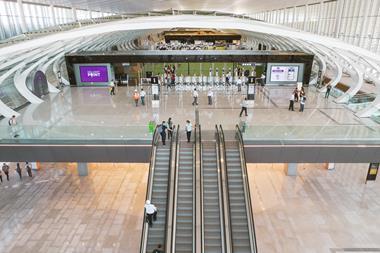




In an exclusive interview with International Airport Review, Changi Airport reveals how experience led branding, AI powered communications, connectivity and sustainability are reshaping future airport.
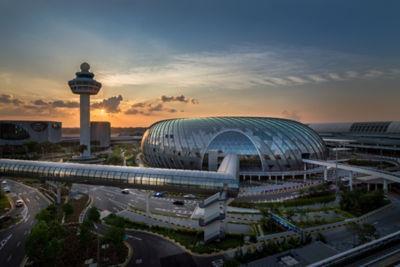
Singapore Changi Airport has long been recognised as one of the world’s leading aviation hubs. Yet in recent years, its ambition has expanded well beyond operational excellence. Today, Changi is positioning itself as a destination, shaped by seamless connectivity, memorable experiences, and a deeply integrated approach to marketing, technology and sustainability.
For the airport’s Corporate & Marketing Communications division, brand identity is inseparable from passenger experience. Changi’s reputation has not been built solely on efficiency, but on how travellers feel as they move through the airport. Personalised services, intuitive design and moments of surprise are deliberate brand attributes, carefully woven into every stage of the journey.
“Our brand identity is very much tied to the experience we deliver,” Miss Tay Cheng Cheng, Vice President of Corporate & Marketing Communications, explains. “Passengers expect more than a smooth transfer. They want comfort, inspiration and something memorable that stays with them long after they leave the airport.”
Changi Airport Group sees itself as the orchestrator of a complex ecosystem, where collaboration and information sharing are essential to operational success.”
This shift reflects a broader change in passenger expectations. Airports are no longer seen simply as infrastructure, but as environments that can enhance travel itself. Changi’s evolution has been shaped by this understanding, with attractions, retail and digital experiences all playing a central role.
Connectivity as a cornerstone of growth
Despite its emphasis on experience, connectivity remains a core pillar of Changi’s marketing strategy. As an international aviation hub, the airport serves about 170 cities through close to 100 airlines. Communicating the strength and breadth of this network continues to be a priority, particularly in an increasingly competitive regional market.

Credit: Changi Airport
Marketing efforts are focused on positioning Changi as a gateway to Asia and beyond, whether for origin and destination passengers travelling to Singapore or for transfer passengers using the airport as a stopover. The message is one of choice, flexibility and reliability.
Key source markets include China, India, Indonesia and Australia, which collectively drive a significant share of passenger traffic. Targeted campaigns in these markets are designed not only to attract visitors to Singapore, but also to highlight Changi’s role as a launch pad to other destinations in the region.
At the same time, the airport continues to promote what it calls the ‘Changi Experience’ on a global scale. This includes everything from customer service standards and terminal design to retail concepts and leisure attractions.
Marketing beyond passengers
While passenger communication is highly visible, a significant part of Changi’s marketing and communications effort is directed towards business partners. Airlines, ground handlers, retailers and service providers are all considered part of the airport community.
Changi Airport Group sees itself as the orchestrator of a complex ecosystem, where collaboration and information sharing are essential to operational success. Communication with partners takes place across multiple platforms, from regular face-to-face meetings to digital tools designed to keep stakeholders aligned.
A central element of this approach is the use of a dedicated digital platform that allows airport partners and frontline staff to access real-time updates and operational information. This ensures consistency and clarity across the community, particularly during periods of disruption or change.
“The airport only functions well if everyone works together,” Tay notes. “Clear, timely communication is critical, both operationally and from a brand perspective.”
Digital transformation
Technology is increasingly shaping how Changi communicates, both internally and externally. Artificial intelligence (AI) has begun to play a practical role in content creation and brand management, supporting social media production, copy checks, and the development of a consistent tone of voice.
Rather than replacing human creativity, AI is being used to enhance efficiency and ensure quality across a growing volume of content. This is particularly important as the airport engages with diverse audiences across multiple channels and markets.
One of the biggest challenges for airport communications is the growing demand for speed and accuracy.”
AI is also part of a wider digital ecosystem that supports personalisation. By analysing data on passenger behaviour, spending patterns, and engagement, the marketing team can deliver more relevant messages and avoid generic communication.
“The goal is not to send more information, but better information,” Tay explains. “Data helps us understand what our passengers actually want and when they want it.”
Sustainability as a shared responsibility
Sustainability has become a central theme in airport communications, reflecting both regulatory pressures and rising expectations from passengers and partners. At Changi, sustainability is framed as a collective effort involving the entire airport community.
The airport actively communicates initiatives such as the use of solar panels to reduce energy consumption, collaborations with airlines on sustainable aviation fuel, and efforts to improve overall operational efficiency. Beyond emissions reduction, there is also a focus on climate resilience, including infrastructure planning to prepare for rising sea levels and more extreme weather patterns.
Importantly, sustainability messaging is not limited to external audiences. Internal communication plays a key role in encouraging airport partners and staff to adopt more sustainable practices in their daily operations.
Social media and influencer strategy
Social media plays a central role in how Changi communicates its brand, with a strong presence across platforms including Facebook, Instagram and TikTok. Each channel is used differently, with content tailored to the preferences and behaviours of specific demographic groups.
Video and interactive formats are prioritised, particularly on platforms popular with younger audiences. Influencers are also engaged in key markets to help translate the Changi Experience for local travellers, adding authenticity and cultural relevance to campaigns.
Changi’s social channels are among the most followed in the airport sector, with consistently high engagement rates. This reflects a deliberate focus on quality over quantity, ensuring that content is both informative and entertaining.
One of the biggest challenges for airport communications is the growing demand for speed and accuracy. Travellers expect real-time updates and consistent information, particularly during disruptions. For an airport as large and complex as Changi, meeting these expectations requires close coordination between operations, technology and communications teams.
Accuracy is especially critical, as misinformation can quickly undermine trust and negatively affect the passenger experience. This makes internal alignment and robust information systems essential components of the airport’s communication strategy.
A distinctive aspect of Changi’s brand is its strong relationship with the local community. The airport actively positions itself as a place for Singapore residents to visit, even when they are not travelling.
Events, exhibitions, and seasonal activities attract families and local visitors, particularly during weekends and school holidays. Retail and dining offerings are designed to appeal to residents as much as to passengers, reinforcing the idea that Changi is part of everyday life in Singapore.
This local affinity strengthens the airport’s brand and creates a broader sense of ownership and pride among the community.
Looking to the future
Changi’s long-term vision is embodied in the development of Terminal 5, scheduled to open in the mid-2030s. The project represents an opportunity to showcase new technologies, sustainable design and next-generation passenger experiences.
The airport plans to share this journey with the public, highlighting innovation and progress as the terminal takes shape. Alongside physical infrastructure, digital experiences and immersive installations will continue to play an increasing role in how passengers engage with the airport.
 Terminal 5 design.
Credit: Changi Airport
The T5 in the Making exhibition has since opened to the public at Terminal 3’s Arrival Hall. Visitors will experience Changi Airport’s journey and future vision through five zones: from the airport’s strategic shift from Paya Lebar to Changi, to an experiential look at T5’s design, scale and innovations. Visitors will witness the technologies being explored to address manpower, ageing population, and climate change challenges, and conclude their visit by imagining the future with interactive AI experiences and viewing detailed scale models of T5 and the larger Changi East development.
“Our focus is on continuously evolving,” Tay concludes. “Changi is not just responding to change. We are actively shaping what the future airport experience can be.”
By combining connectivity, experience-led marketing, digital innovation and sustainability, Changi Airport is redefining its role in global aviation. It is no longer simply a place to pass through, but a destination that reflects how people want to travel today, and in the years ahead.