



Kleyton Mendes, CEO of Concessionária dos Aeroportos da Amazônia and Daniela Franco, Communications Manager for VINCI Airports in Brazil write exclusively for International Airport Review on their new solar-powered runway lighting system and how it helps solve a structural challenge for isolated airports.
Few regions test the limits of airport infrastructure as much as the Amazon region in South America. The distances are immense, the logistics are complex, and land connectivity is limited. In this context, airports cease to be mere transportation hubs and become essential infrastructure, guaranteeing access to healthcare, supplies, economic activity and social integration.
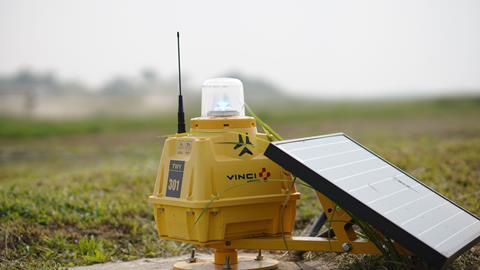
It was from this reality that an innovative solution was implemented at the airports of Tefé and Tabatinga, in the interior of the Brazilian Amazon. Under the management of VINCI Airports, both became the first airports in Brazil to adopt runway lighting systems powered by solar energy, a milestone that goes beyond technological advancement and points to a new model of airport infrastructure in remote regions with energy constraints.
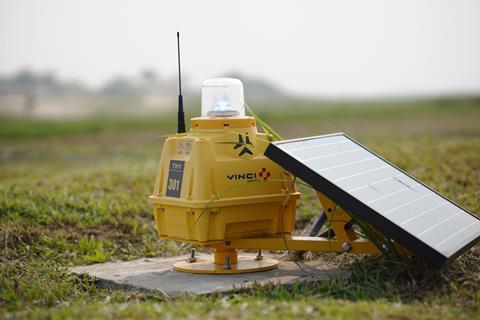
In isolated regions like the Amazon, energy reliability is a structural challenge. A large portion of municipalities are not connected to an integrated electrical system and depend on diesel generation – an expensive, complex solution with a high environmental impact. In this scenario, solar lighting represents a significant change: a decentralised, low-maintenance system independent of the conventional electrical grid, which increases operational resilience.
Initiated in 2023, the project was developed in a regulatory sandbox environment and recently received approval from the Civil Aviation Authority in Brazil. This recognition positions the initiative as a scalable and replicable solution, not only in Brazil, but also in airports in remote regions around the world that face similar challenges.
Each lighting unit operates autonomously, reducing systemic risks and increasing the reliability of night-time operations. This reliability is especially critical in a territory where aviation plays an essential role in healthcare logistics. Aeromedical flights depend directly on the safe operation of airports to transport patients from remote areas to centres with greater care capacity. In many cases, each night-time landing represents a concrete opportunity to save lives.
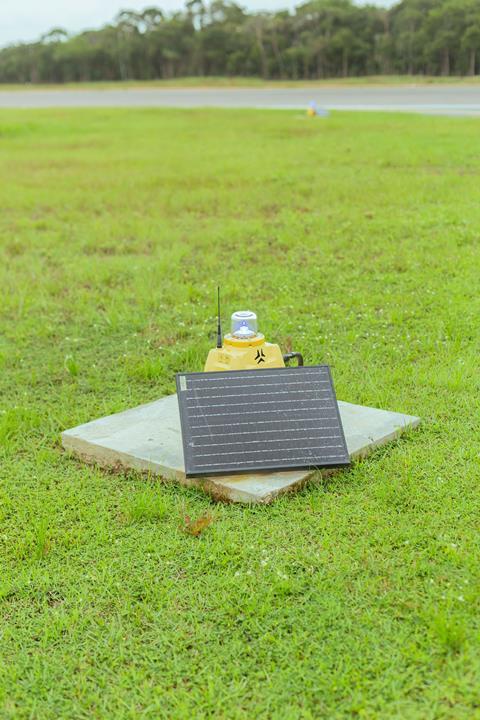
From an environmental standpoint, the impact is also significant. The technology allows for a reduction of up to 95% in electricity consumption and has an estimated lifespan of over 20 years. In regions still dependent on fossil fuels, this advancement directly contributes to the decarbonisation agenda of the airport sector.
However, the main value of this project lies in its systemic impact. Strengthening regional airport infrastructure expands connectivity, enables the movement of people and goods, stimulates tourism, supports economic development, and ensures access to essential services. In emerging markets and remote regions, airports are drivers of development – and innovation needs to be aligned with this role.
Since VINCI Airports began operating in the Brazilian Amazon region in 2022, the strategy has been clear: to view airports not only as operational assets, but as platforms for regional transformation. This implies investing in smart solutions, adapted to local realities and capable of generating lasting impact. In this scenario, solar lighting represents a significant change: a decentralised, low-maintenance system independent of the conventional electrical grid, which increases operational resilience.
Initiated in 2023, the project was developed in a regulatory sandbox environment and recently received approval from the Civil Aviation Authority in Brazil. This recognition positions the initiative as a scalable and replicable solution, not only in Brazil, but also in airports in remote regions around the world that face similar challenges.
Each lighting unit operates autonomously, reducing systemic risks and increasing the reliability of night-time operations. This reliability is especially critical in a territory where aviation plays an essential role in healthcare logistics. Aeromedical flights depend directly on the safe operation of airports to transport patients from remote areas to centres with greater care capacity. In many cases, each night-time landing represents a concrete opportunity to save lives.
From an environmental standpoint, the impact is also significant. The technology allows for a reduction of up to 95% in electricity consumption and has an estimated lifespan of over 20 years. In regions still dependent on fossil fuels, this advancement directly contributes to the decarbonisation agenda of the airport sector.
However, the main value of this project lies in its systemic impact. Strengthening regional airport infrastructure expands connectivity, enables the movement of people and goods, stimulates tourism, supports economic development, and ensures access to essential services. In emerging markets and remote regions, airports are drivers of development – and innovation needs to be aligned with this role.
Since VINCI Airports began operating in the Brazilian Amazon region in 2022, the strategy has been clear: to view airports not only as operational assets, but as platforms for regional transformation. This implies investing in smart solutions, adapted to local realities and capable of generating lasting impact.








No comments yet