


airBaltic pilots go green with iPads
- Like
- Digg
- Del
- Tumblr
- VKontakte
- Buffer
- Love This
- Odnoklassniki
- Meneame
- Blogger
- Amazon
- Yahoo Mail
- Gmail
- AOL
- Newsvine
- HackerNews
- Evernote
- MySpace
- Mail.ru
- Viadeo
- Line
- Comments
- Yummly
- SMS
- Viber
- Telegram
- Subscribe
- Skype
- Facebook Messenger
- Kakao
- LiveJournal
- Yammer
- Edgar
- Fintel
- Mix
- Instapaper
- Copy Link
Posted: 8 July 2014 | airBaltic | No comments yet
Latvian airline, airBaltic, has introduced Apple iPads into the pilot’s cockpit as a modernization investment, which will provide operational efficiency…

Latvian airline, airBaltic, has introduced Apple iPads into the pilot’s cockpit as a modernization investment, which will provide operational efficiency and will lead to savings on paper and fuel consumption.
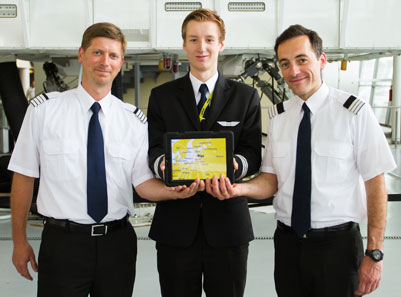
Pilots carry between 10-15 kg of flight details, manuals and reference material in their flight bags
Martin Gauss, Chief Executive Officer of airBaltic: “airBaltic has introduced iPads to pilots, to replace their heavy flight bags, containing paper flight details, manuals, navigation and reference material. This will save about 2 million pages of paper every year, when the project is rolled out completely.”
Pilots carry between 10-15 kg of flight details, manuals and reference material in their flight bags. Replacing these with an iPad (so-called electronic flight bag) reduces the burden to just 0.7 kg and the weight reduction saves on fuel. It also means that less space is taken up by paper in the cramped cockpit environment, updating and modifying the reference material is more efficient, and smoother procedures help airBaltic to further improve its industry-leading punctuality record.
Pauls Cālītis, Senior Vice President Flight Operations: “The electronic flight bag is yet another green initiative that we at airBaltic are undertaking to continue with innovations in our operations and service. We are proud that airBaltic continues to be a leader by being the first airline in the region to modernize their pilots’ work processes with the electronic flight bag”.
As announced earlier, airBaltic last year launched its AMBER project that helped airBaltic to become the first European airline operating green turboprop flights.

 Chief Executive Officer
 CEO
CEO Chief Operating Officer
 Head of Operations, Safety and Emergency
 Chief Strategy Development Officer
 Head of Operations
 Airport General Manager
 CEO
CEO Chief Executive Officer