


Air travel demand stays strong in May
- Like
- Digg
- Del
- Tumblr
- VKontakte
- Buffer
- Love This
- Odnoklassniki
- Meneame
- Blogger
- Amazon
- Yahoo Mail
- Gmail
- AOL
- Newsvine
- HackerNews
- Evernote
- MySpace
- Mail.ru
- Viadeo
- Line
- Comments
- Yummly
- SMS
- Viber
- Telegram
- Subscribe
- Skype
- Facebook Messenger
- Kakao
- LiveJournal
- Yammer
- Edgar
- Fintel
- Mix
- Instapaper
- Copy Link
Posted: 3 July 2014 | The International Air Transport Association | No comments yet
The International Air Transport Association announced global passenger traffic results for May showing demand growth of 6.2% compared to May 2013…

The International Air Transport Association (IATA) announced global passenger traffic results for May showing demand growth of 6.2% compared to May 2013. While this represented a deceleration compared to April year-over-year traffic growth of 7.6%, the performance is indicative of improving demand drivers. May capacity rose 5.2% and load factor climbed 0.7 percentage points to 79.0%. All regions except Africa experienced positive traffic growth.
“We are seeing healthy demand for air traffic to support and help sustain the pick-up in global economic activity,” said Tony Tyler, IATA’s Director General and CEO.
International Passenger Markets
May international passenger traffic rose 7.0% compared to the year-ago period. Capacity rose 6.0% and load factor climbed 0.8 percentage points to 78.1%. All regions recorded year-over-year increases in demand.
- Asia Pacific carriers recorded an increase of 7.3% compared to May 2013, which was the largest increase among the three biggest regions. The strong performance suggests that downward pressure on demand from sluggishness in the Chinese economy is likely easing. According to JP Morgan/Markit, the measure of manufacturing activity rebounded in May, supported by a strong rise in export order growth. Capacity rose 7.5%, pushing down load factor 0.1 percentage points to 74.1%.
- European carriers’ international traffic climbed 6.1% in May compared to the year-ago period. Capacity rose 5.3% and load factor rose 0.6 percentage points to 80.3%. Economic activity in the Eurozone has been gaining momentum slowly and recent data suggest that solid increases in industrial production and trade should result in acceleration in Eurozone GDP in the second quarter.
- North American airlines saw demand rise 4.4% in May over a year ago, implying positive underlying economic growth trends with easing pressure on employment levels. Capacity rose 4.8%, pushing down load factor 0.3 percentage points to 83.0%, still the highest among all regions.
- Middle East carriers had the strongest year-over-year traffic growth in May at 13.2% as airlines continue to benefit from the strength of regional economies, including non-oil production sectors, and solid growth in business-related premium travel. Capacity rose 6.9% and load factor climbed 4.4 percentage points to 78.0%.
- Latin American airlines’ traffic rose 9.1%. Capacity rose 6.0% and load factor climbed 2.2 percentage points to 79.6%. The outlook for Latin American carriers remains broadly positive, with continued robust performance of economies like Colombia, Peru and Chile contributing to the strong demand environment, although the Brazilian economy remains weak, with any benefits from the FIFA World Cup likely to be transitory.
- African airlines experienced the slowest demand growth, up 1.9% compared to May 2013. With capacity up 4.7%, load factor fell 1.8 percentage points to 64.4%, the lowest among the regions. The weakness in international air travel for regional carriers could be in part reflecting adverse economic developments in some parts of the continent, with the slowdown of the major economy of South Africa.
Domestic Passenger Markets
Domestic air travel rose 4.6% in May year-on-year, with all markets showing growth with significant variation in performance continuing across markets. Capacity rose 3.8% and load factor was 80.6%, up 0.6 percentage points. Growth was especially strong in the developing economies of China and Russia.
- China and Russia domestic air travel rose 9.4% and 13.2% in May compared to a year ago with economic growth substantial enough in both countries to sustain strong expansion in domestic air travel. Moreover, indicators from China suggest that the economic slowdown could be beginning to reverse itself.
- Brazil’s domestic traffic climbed 4.9%, while capacity actually shrank 0.9%–the only market to show a decline in capacity growth. Previous months showed growth in the range of twice the pace of May, potentially reflecting FIFA World Cup-related activity.
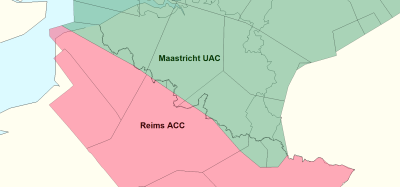
The Bottom Line: “Global economies rely on the connectivity provided by aviation to sustain business and leisure-related activities. And aviation relies on efficient and dependable air traffic management services to support that connectivity. Last week, some air traffic controller unions in France and Belgium held a short-sighted and ill-considered strike in protest of the efficiencies that the Single European Sky (SES) can deliver. The plans of thousands of travelers and businesses were disrupted, making for a stormy start to the summer holiday season. A privileged few should not be able to stop progress on improved connectivity for all,” said Tyler.
“This was yet another reminder of the need for Europe’s governments to take leadership and deliver transformational change in the continent’s air traffic management system. The costs of inadequate air traffic management to Europe are enormous—at least EUR 3 billion for airlines and EUR 6 billion for consumers in lost time and productivity each year. On top of that, there is the environmental cost of 7.8 million tonnes of unnecessary carbon emissions. SES will reduce delays, cut emissions, raise safety levels and create 320,000 jobs across Europe. Delivering SES is critical for Europe’s future. We cannot afford any more frustrating delays,” said Tyler.
View full May passenger traffic results (pdf)




 Chief Executive Officer
 CEO
CEO Chief Operating Officer
 Head of Operations, Safety and Emergency
 Chief Strategy Development Officer
 Head of Operations
 Airport General Manager
 CEO
CEO Chief Executive Officer