




news
European aviation and fuel sectors urge stronger policy to support sustainable aviation fuel deployment
Aviation and fuel groups call on the EU to boost SAF investment and close the cost gap with kerosene.
List view / Grid view
Aviation and fuel groups call on the EU to boost SAF investment and close the cost gap with kerosene.
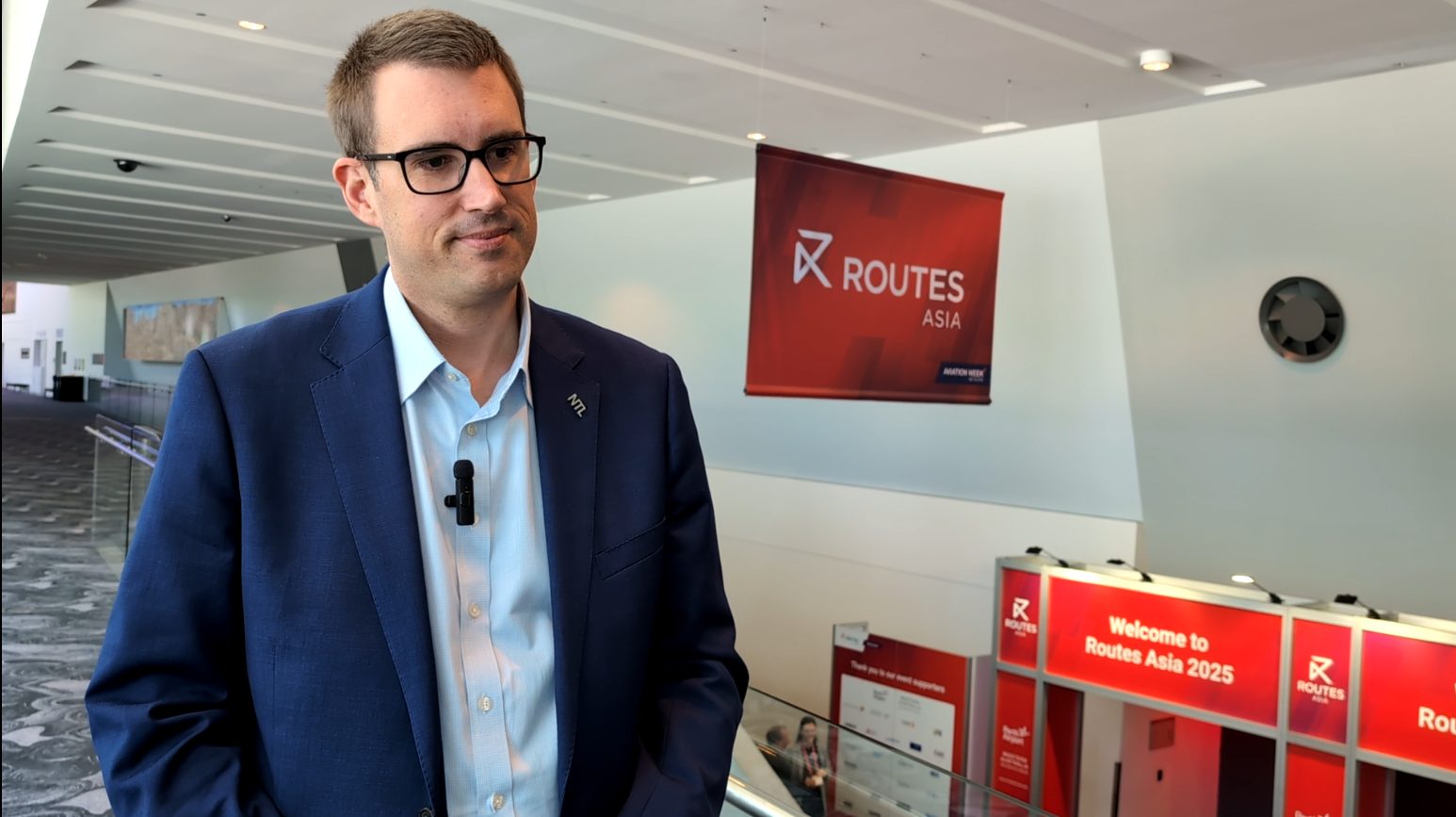
Get ready to discover how Newcastle Airport is setting a new benchmark for sustainable aviation in Australia!


ACI EUROPE urges the EU to reset aviation policy, warning of competitiveness decline and major risks to decarbonisation progress.
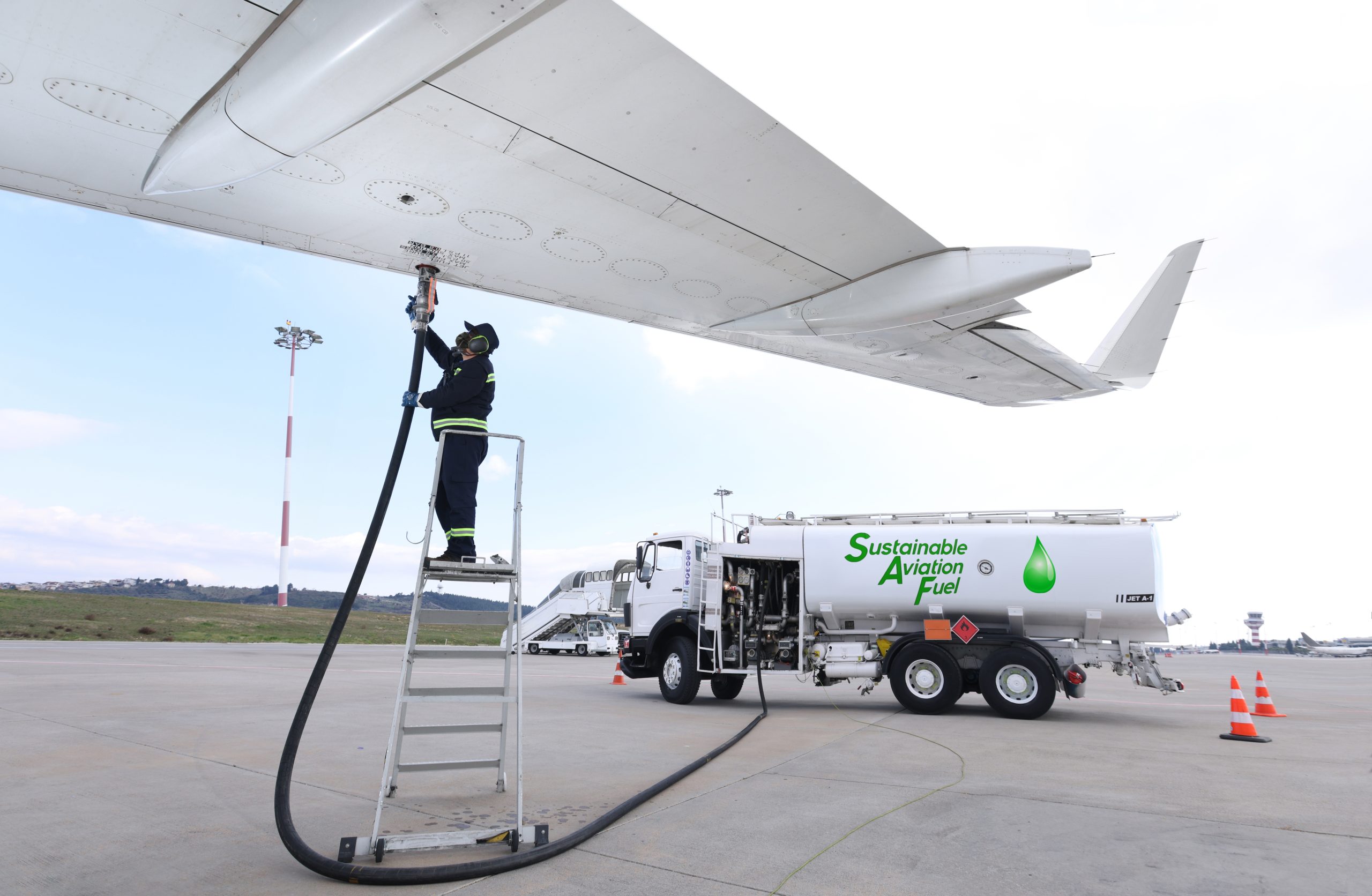
Syzygy Plasmonics and Kent launch FEED for NovaSAF 1, aiming to deliver scalable, low-cost Sustainable Aviation Fuel from biogas.


Firefly Green Fuels gains key backing from Builders Vision to accelerate sustainable aviation fuel made from biosolids.
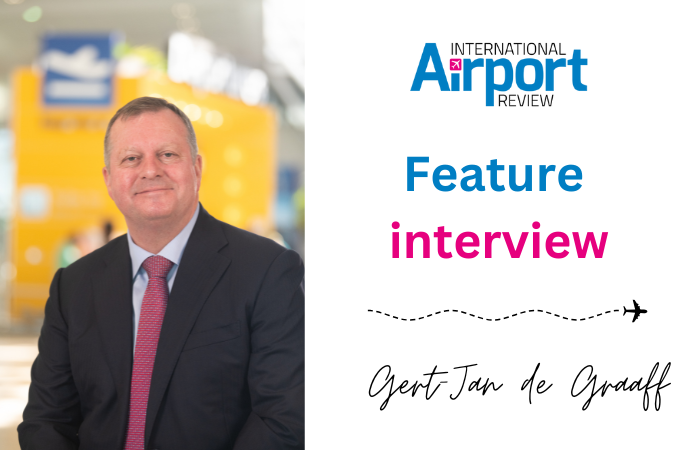
Gert-Jan de Graaff, CEO of Brisbane Airport Corporation Pty, tells International Airport Review why his staff won best airport staff in Australia & Pacific at the 2025 World Airport Awards, how they are preparing for hydrogen and the 2032 summer Olympics, plus why he’ll never talk publicly about 2019 numbers…
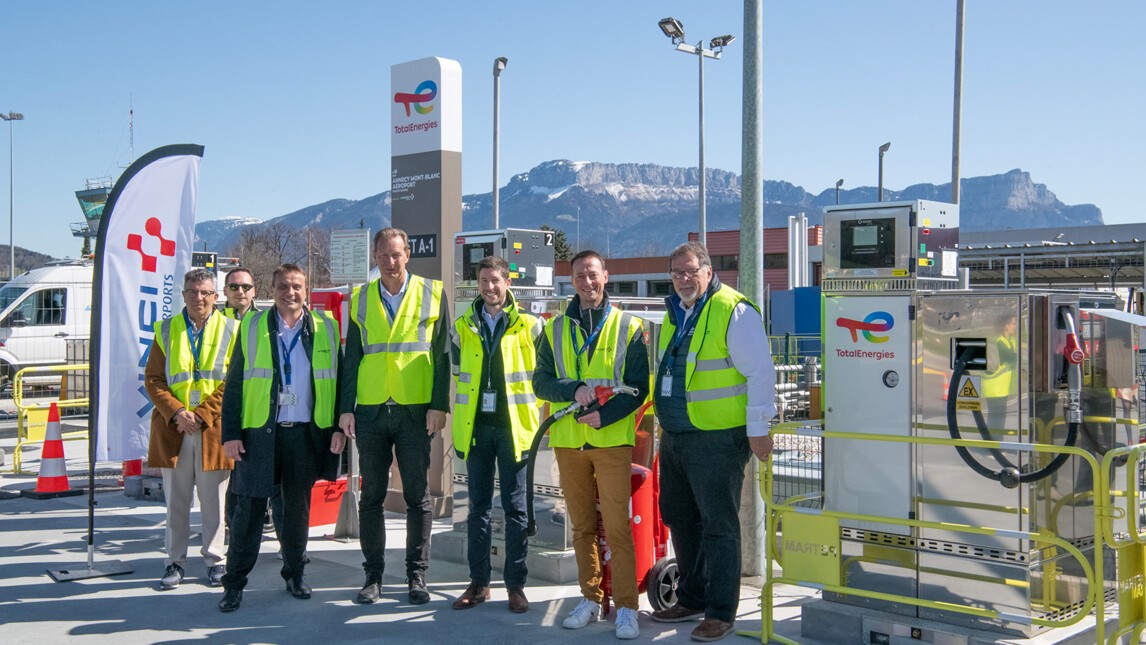
Annecy Haute-Savoie Mont-Blanc Airport launches sustainable fuel and electric charging to support aviation decarbonisation and regional environmental goals.
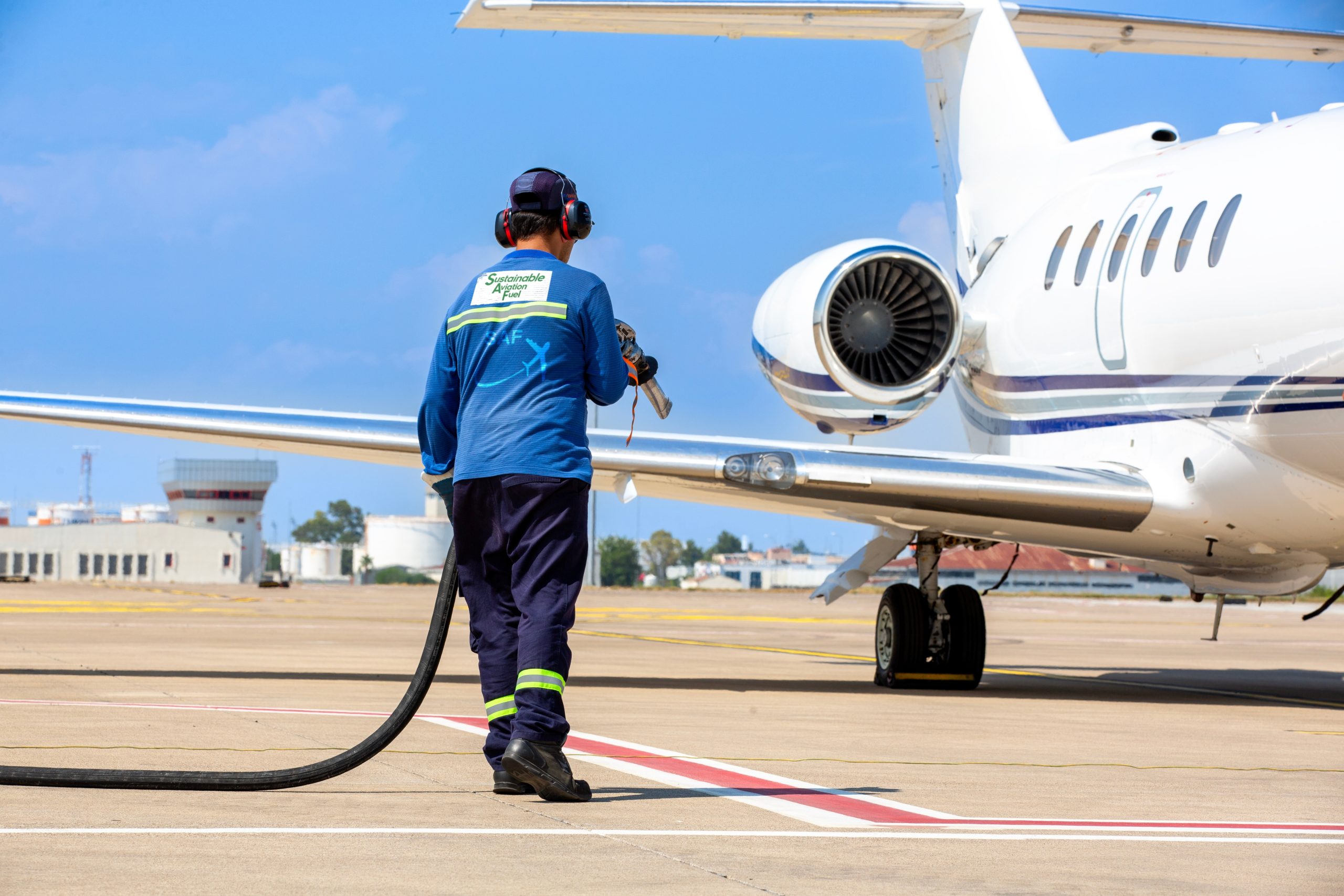
At ACI Europe’s Annual Congress in Istanbul, Kata Cserep, Global Aviation Lead, and Sabire Ipek Demir, Energy Transition Expert at PA Consulting speak to International Airport Review.


Swiss startup Metafuels will develop a synthetic SAF plant in Rotterdam, aiming to scale greener jet fuel production in Europe.
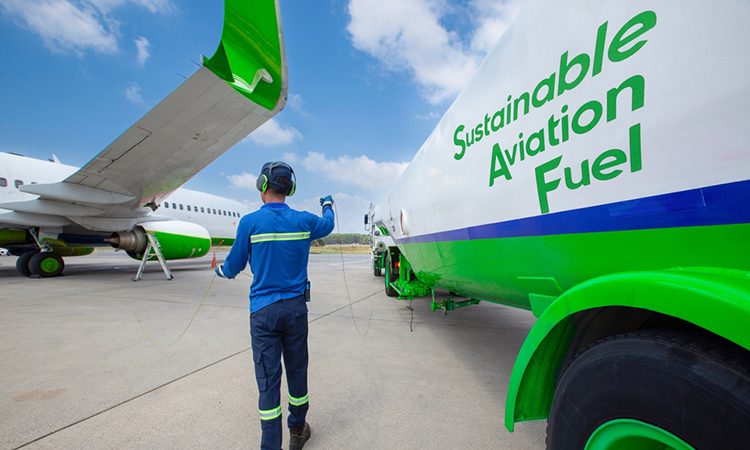
The World Economic Forum and GenZero launch Green Fuel Forward to boost SAF demand and decarbonise Asia-Pacific's fast-growing aviation sector.
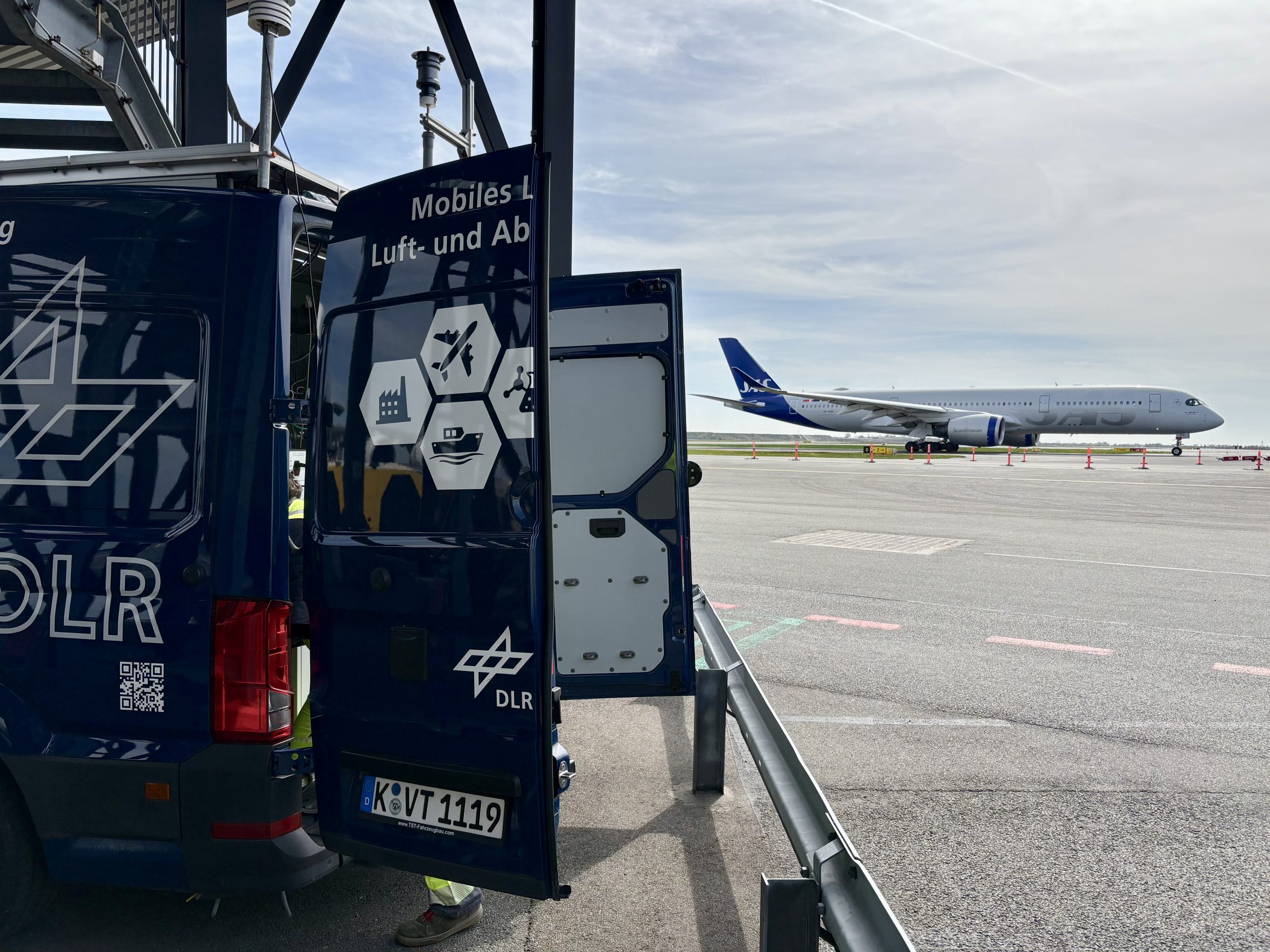
Copenhagen Airport's FuelTrack study explores how jet fuel properties impact aircraft emissions and local air quality during real-world operations.
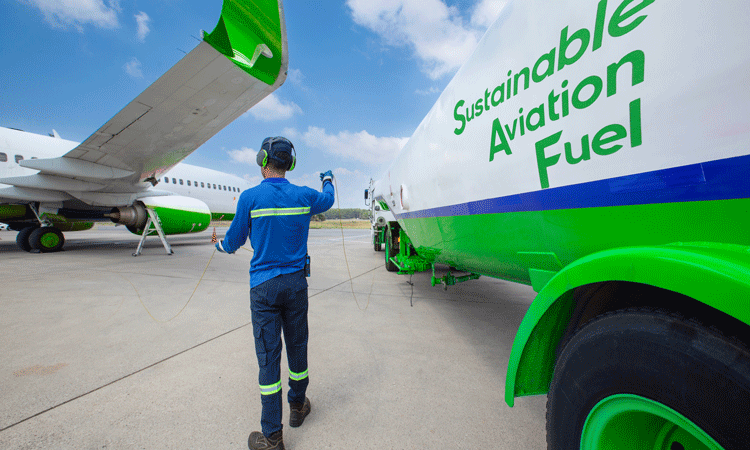
Sustainable aviation fuel is a cleaner alternative to traditional jet fuel, but challenges hinder its widespread use in aviation, an industry that contributes 2.5% of the world's CO2 emissions.

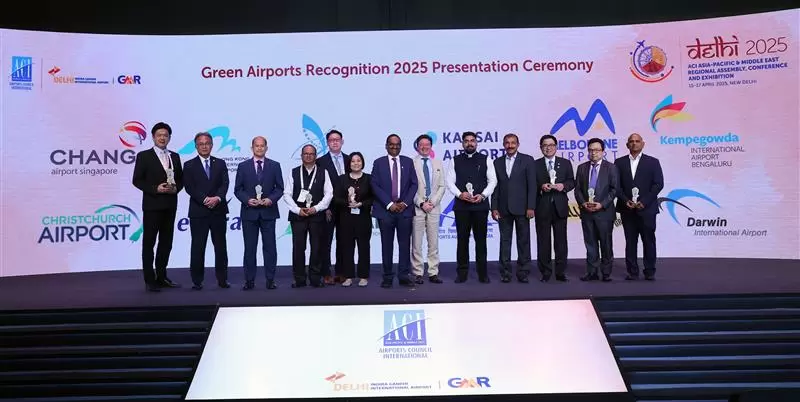
ACI APAC & MID honours 12 airports for leading sustainable energy initiatives across Asia-Pacific and the Middle East.


Aena Brasil’s six northeastern airports earn Level 1 carbon accreditation, marking a major step in their climate action strategy.
CADO, created by IATA, will manage the new SAF Registry to promote a transparent, global market for sustainable aviation fuel.
 Chief Executive Officer
Delhi International Airport Limited
Videh Kumar Jaipuriar has been nominated for his exemplary leadership in managing and navigating Delhi International Airport (DEL) during the COVID-19 pandemic. He led multiple initiatives to ensure business continuity at DEL, which included passenger safety and convenience, stakeholder management, cash conservation, adoption of new technologies, and care for environment and employee safety.
He proactively engaged with the government stakeholders and supported them in safeguarding aviation through strong confidence building measures for travellers, such as developing several indigenous technology solutions like air circulation with six changes per hour and a combination of UV and plasma disinfection systems to provide safest journey experience to their passengers. Under his leadership, DEL has been forefront of implementing safety measures which was later adopted across the country.
Despite lockdown, Jaipuriar ensured that DEL was operational for rescue missions, medical evacuations, and transporting medical essentials to various parts of the country. He further led the Vande Bharat Mission flights of Government of India (a rescue mission to get Indians back to India), as well as rescue flights by other international governments. His outstanding leadership across all areas across the stakeholders in the aviation ecosystem and going beyond the call of duty in managing and navigating this crisis for a national capital airport having national importance makes him the apt choice for the Person of the Year Award.
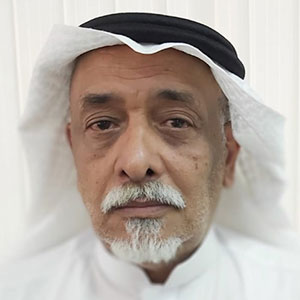 CEO
CEO
Hajj and Umrah Airport – Jeddah – KSA
Adnan Saggaf continues to demonstrate strong leadership skills throughout the COVID-19 pandemic and brought out of the box ideas in attracting traffic and to support his team during this difficult time. With new innovative ideas in balancing cash flow, the facilities were kept maintained and the personal were kept employed.
Saggaf has protected the financial stability of his staff income, ensured valuable cost cutting management, shown excellent performance of crisis management, and exceptional negotiation skills shown with authority regarding agreement restructuring and receivable payments.
To handle the loss of Umrah traffic to the airport, Saggaf chose to attract new airlines, mainly LCCs, to use the terminal with attractive offers and more reliable services. He built a new strategy by diversifying the airport offers. He prepared the facilities by deploying new technology and working on enhancing passenger experience. Saggaf also initiated a capacity building programme for the airside team by drafting SOPS, training and coaching, as well as initiating dedicated workshops to discuss ideas and to deploy new initiatives.
Leaders show strength in difficult times, and this is exactly what Saggaf showed and why he deserves to be awarded as the Person of the year 2021.
 Chief Operating Officer
Sangster International Airport Jamaica
Peter has been with the Sangster International Airport for over 25 years.
He has experience in customer service, operations and now oversees the security function and is also the Chief Operations Officer.
Peter has been instrumental in co-ordinating the preparation and implementation of a COVID-19 response plan for not just MBJ, but to guide the operation of all agencies operating on airport. The aim of this plan was to ensure a safe environment for staff and the travelling public; therefore, this plan was instrumental to establish consumer/travellers/public confidence and provided information and guidelines on the new protocols implemented at the airport.
Peter is well known for his expertise in investigation and aviation security. His co-operation with law enforcement stakeholders has been unrelenting in assuring the security of the airport and stakeholders alike.
While Peter is known as a firm individual that displays the outmost professionalism and integrity, he operates on the basis of equity and fairness in all matters relating to staff, clients, passengers and the general public.
 Head of Operations, Safety and Emergency
Belo Horizonte International Airport
Robson Freitas has developed and led the BH Airport plan for the resumption of airport operations post-COVID-19, as well as being responsible for leading the group of Directors and Managers at the airport, defining the three main pillars of recovery: Health and Safety of People, Institutional and Integrated Communication and Institutional Partners. These central pillars include ensuring hygiene and health and social distances measures for passengers, users, and the airport community, in addition to participating in strategic committees involving the public sectors to comply with regulatory rules. Freitas developed the COVID guardians programme, who were responsible in monitoring and following up on the measures already implemented for COVID-19 and advising users, employees and other people on compliance with distancing, hygiene and health measures recommended by health authorities. He also developed a COVID booklet with information and guidance for the airport community regarding good hygiene and health practices and led the beginning of the publication of a monthly newsletter with passenger curve information, allowing the planning of reopening and rehiring by commercial stores. Freitas also supported the reduction of OPEX by planning the temporary closure of areas, toilets and equipment in common use and internalising some activities.
 Chief Strategy Development Officer
Bangalore International Airport Limited
During the COVID-19 pandemic, Raghunath worked closely with all the aero concessionaires and cargo operators to minimise disruption and provide financial relief to them. The airline marketing team helped launch a historic first route to the U.S. West Coast and the cargo team at BIAL also achieved record numbers over this period, with the airport becoming India’s leading airport for the export of perishables. Despite the impact of COVID-19, Raghunath has led a digital transformation and expansion at BIAL airport, with new initiatives and the deployment of the fully biometric-based self-boarding solution for seamless passenger flow and travel experiences and a process automation and analytics platform. These initiatives amongst many others, meant that the airport won ACI World’s ‘Voice of the Customer’ initiative, which recognised BIAL airports efforts to prioritise their customers during COVID-19. Raghunath has remained a staunch and resilient leader during such an uncertain time and is very much appreciated by his team.
 Head of Operations
Cairns Airport
As Head of Operations, Alicia Prince has played a critical role in leading and navigating Cairns Airport through the COVID-19 pandemic. During the pandemic, Prince implemented a functional plan to ensure business continuity and staff welfare, segregating front-line operational staff into work teams to avoid interaction between groups, as well as strict sanitisation processes. She ensured that the $55 million domestic Terminal upgrade continued safely despite the unprecedented COVID-19 crisis.
She also deployed the COVIDSafe Operation Plan for Cairns Airport, which was endorsed and later commended by Queensland Chief Health Officer. As part of this plan Alicia developed an airport layout to provide physical separation of low risk and high-risk arrivals and initiated increased hygiene and sanitisation protocols. The health and safety of the airport community was paramount to maintaining operations, and in response to this Alicia initiated a COVIDSafe training program for the entire airport community and worked closely with her team to deliver.
As a result of the great work Prince has done to ensure COVID-19 best practices, Cairns Airport was one of the first Australian Airports to be awarded an ACI Global Health Accreditation.
Alicia also led the terminal optimisation project, which assessed and implemented terminal downscales due to the crisis. Significant savings (both financial and environmental) were achieved by reducing the operational footprint of the airport.
Whilst maintaining operations throughout the pandemic was a priority, Alicia ensured her team were kept well informed and engaged. Cairns Airport has a team of 33 volunteers which form part of Alicia’s wider team. To ensure they remained connected and cared for, Alicia and her team created care packages including home-made cakes and personally delivered to each of the volunteers’ houses in a COVIDSafe manner. Alicia demonstrated great leadership throughout the pandemic and continues to do so today. Her clear and transparent communication and collaboration with other Australian Airports and key agencies to ensure best practice and alignment contributed greatly to business continuity. Furthermore, all the above was managed whilst working remotely and juggling home schooling with her two young boys.
 Airport General Manager
Hartsfield-Jackson Atlanta International Airport
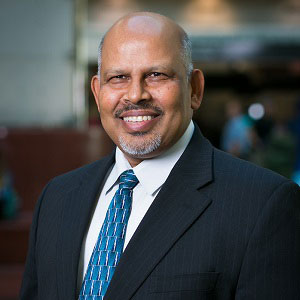
Balram Bheodari leads Hartsfield-Jackson Atlanta International Airport as North America’s most efficient airport, due to his vast knowledge of and astute attention to efficiency in aviation, which has allowed the airport to thrive in the most difficult of markets. Bheodari combines operational expertise, integrity, and selflessness to provide a quality of leadership throughout Atlanta Airport. He oversees all facets of airport governance, including operations and a multi-billion-dollar capital improvement programme, ATLNext, designed to pave the way for Atlanta’s growth over the next 20 years. During COVID-19, Bheodari developed a comprehensive resumption of operations playbook that served to support ATL’s recovery efforts. With guidance from the Federal Aviation Administration and Centers for Disease Control and Prevention (CDC) amid evolving health and safety guidelines, Bheodari steadfastly encouraged collaboration among stakeholders, team-building among aviation employees, and adaptability in uncertain times. Throughout the pandemic, he participated in daily calls with Airports Council International and other large-hub airports to share best practices as well as information from Washington, D.C. federal offices and the CDC.
He aimed to restore customer confidence and ensure the airport was a healthy facility using COVID-19 safe protocols. Since, the airport achieved Airport of the Year by the Airport Minority Advisory Council (AMAC).
During the height of the pandemic, Bheodari was the most ardent supporter of our mission-critical employees. Having worked his way up through the ranks, he fully appreciates the oftentimes thankless jobs these employees perform that keep the Airport safe and running optimally at all times. Morale never flagged because Bheodari made sure those employees felt valued through hazard pay, special meals, social media posts, intranet spotlight features, and other incentives.
His actions and his directives all reflect his commitment to the three key focus areas of our organisation’s strategic plan: people, purpose and performance.
 CEO
CEO
Swedavia Airports
Jonas Abrahamsson has shown the strength to steer the company towards its long-term sustainable goals, despite the challenges of COVID-19. Abrahamsson has ensured that Swedavia achieved its net zero target for all ten of the airports in 2020 and has continued to support strategic development and innovation to further the cause of sustainable air travel. During 2020, when passenger numbers where down over 90 per cent and a lot of investments were paused, he decided that investments in the company’s net zero target should proceed, allowing Swedavia to become the first net zero airport group by the end of 2020.
 Chief Executive Officer
Budapest Airport
Chris Dinsdale has worked at Budapest Airport since 2015, originally as CFO until March 2021, where he was nominated for the position as CEO. During the COVID-19 pandemic, Dinsdale, as CFO of the airport at the time, fought relentlessly to make sure that the company survived the crisis and worked with great commitment to secure the funding of the airport. For example, a voluntary salary cut for the executives and the founding of the Budapest Airport Foundation, which supports blue collar workers who lost their job during the COVID-19 pandemic.
After being nominated to CEO position in March 2021, Dinsdale continues to work closely with the executive team to create a clear COVID-19 recovery strategy for Budapest Airport. This will also mean that we come out stronger of the pandemic and have a clear focus. Dinsdale is an inspiring true leader who helped us all to cope with the very difficult times of the pandemic and I am convinced that he truly deserves this award.

