

Swedavia’s latest Sustainable Aviation Fuel procurement draws new public and private participants, reinforcing industry collaboration to scale sustainable aviation fuel and reduce lifecycle emissions from business travel.
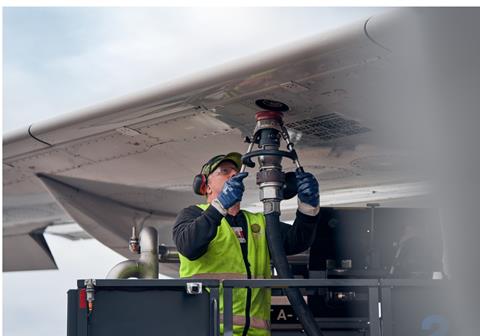
Swedavia has continued its annual procurement of sustainable aviation fuel, inviting additional stakeholders to participate in a joint initiative designed to reduce lifecycle emissions from business travel and stimulate demand for Sustainable aviation fuel (SAF).
In the latest round, Lulea Municipality and Aviator Airport Alliance joined the procurement for the first time, while SOS Alarm participated for the sixth consecutive year.
Why expand sustainable aviation fuel?
Therese Forsström, Head of Sustainable Development at Swedavia, said the initiative demonstrates that it is already possible to significantly reduce aviation’s fossil climate impact by selecting SAF. She welcomed the participation of Luleå Municipality, Aviator and SOS Alarm, noting it marked the first time a Swedish municipality had taken part in the scheme.
Carina Sammeli, Chair of the Municipal Executive Committee in Lulea, stated that the municipality depends on air connectivity due to its geographical location but must also take responsibility for reducing aviation’s climate impact. She described the collaboration with Swedavia as an important component of that work.
By using sustainable aviation fuel, fossil carbon dioxide emissions can be reduced by an average of up to 80 per cent over the fuel’s lifecycle compared with conventional jet fuel. Through the joint procurement model, participating organisations can lower the lifecycle emissions associated with their business travel while supporting market demand for SAF production, which remains several times more expensive than traditional jet fuel.
Jonas Brundin, Managing Director at Aviator, said the company’s investment in SAF through Swedavia’s procurement will reduce approximately 50 per cent of emissions from its business travel in 2025. He described the move as a concrete contribution to advancing more sustainable aviation and essential for the future of transport.
Astrid Pettersson, Head of Strategy and Sustainability at SOS Alarm, highlighted the organisation’s responsibility for Sweden’s emergency number 112 and the need to maintain operations around the clock. She said SAF procurement represents a key measure to reduce emissions and support more sustainable operations.
In the 2025 procurement, a total of 300 tonnes of sustainable aviation fuel was ordered, of which 215 tonnes were attributed to Swedavia. The fuel supplied is produced from residual feedstocks such as used cooking oil. In line with existing fuel regulations, SAF is blended with up to 50 per cent conventional jet fuel and can be used within current aircraft technology and airport infrastructure.
Swedavia’s own airport operations became fully fossil free in 2020. The company continues to support industry targets for fossil free domestic aviation by 2030 and fossil free international traffic by 2045. Since 2016, Swedavia has procured SAF annually for its own business travel and, since 2019, has extended participation to other organisations. Work has now commenced on the joint SAF procurement for 2026.
Stay Ahead in Aviation — Subscribe for Free!
Get exclusive access to the latest aviation insights from International Airport Review — all tailored to your interests.
✅ Expert-Led Webinars – Learn from industry leaders
✅ Weekly News & Reports – Airport updates, thought leadership, and exclusive interviews
✅ Event Invitations – Be part of the International Airport Summit
✅ Partner Innovations – Discover the latest industry trends
Choose the updates that matter most to you. Sign up now and stay informed, inspired, and connected — all for free!
Thank you for being part of our community. Let’s keep exploring the future of aviation together!