

Schiphol has launched five tenders for nine-year framework agreements covering terminals, aprons and technical installations, as it takes greater control of its own infrastructure.
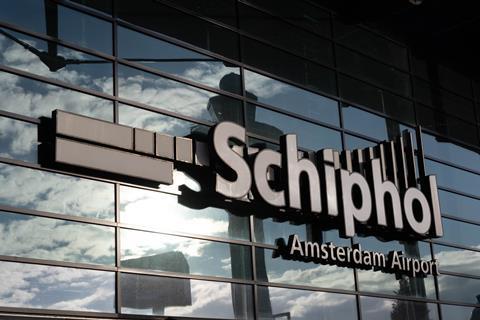
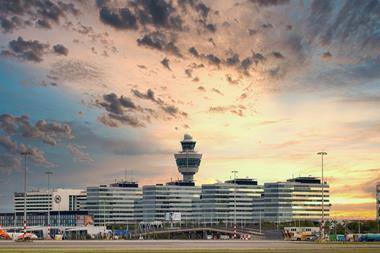
Amsterdam Airport Schiphol (AMS) is launching five major tenders to appoint long-term construction and maintenance partners, marking a step in its modernisation programme as it looks to improve the experience for passengers and airlines.
Over the coming years, Schiphol will invest billions of euros in enhancing the airport’s quality, reliability and capacity while tackling overdue maintenance. To deliver that ambition, the airport is opting for long-term partnerships with construction and installation companies, under an approach that will give Schiphol greater control over the management and development of its own infrastructure.
Bart Smolders, Chief Infrastructure Officer at Royal Schiphol Group, said: “At Schiphol, we are undertaking the largest renewal and maintenance programme in our history. Our goal is to restore Schiphol to the standard of Europe’s leading airports, offering a high-quality experience for travellers and airlines. That starts with the fundamentals: well-maintained and reliable infrastructure… between 2025 and 2035, Schiphol will invest €10 billion in renewal and quality improvements. To achieve this, we need strong partners. With these tenders, we are laying the foundation for long-term collaboration, combining the market’s expertise with greater direction and control from Schiphol.”
A foundation for the next phase of renewal
A significant number of Schiphol’s current construction and maintenance contracts will expire in 2028. The airport said collaboration with its existing construction partners over the past few years has made an important contribution to the management, maintenance and development of the airport, and that the new tender procedures build on that foundation.
The five tenders cover maintenance, replacement and project works relating to terminals, technical installations, aprons and operational buildings. This includes the upkeep of critical infrastructure such as the concrete aprons where aircraft are parked, passenger boarding bridges, gate-based power and pre-conditioned air systems, charging infrastructure for electric equipment, technical rooms, retail units, climate control systems and operational facilities including fire stations.
Schiphol said it is opting for long-term contracts so that both the airport and its market partners can invest jointly in craftsmanship, knowledge development and the efficient delivery of works. The new framework agreements will come into effect in 2028 and will run for nine years.
The new approach also reflects a shift in how Schiphol manages its own assets. Since launching its renewal programme, the airport has been investing in greater in-house knowledge, governance and insight into its infrastructure, and the new partnerships represent the next step in that development.
The model combines a stronger client and asset-management role for Schiphol with long-term collaboration with specialised partners. As an infrastructure operator, Schiphol will take greater responsibility for the maintenance, planning and performance of the airport’s assets, while construction and maintenance partners will contribute the craftsmanship, expertise and delivery capability needed to renew and modernise the airport.





No comments yet