

Innovation in baggage doesn’t always start with new infrastructure. At Vancouver International Airport (YVR), the focus is on building a smarter, more resilient operation – combining new technology and data-driven teams to deliver reliable performance and elevate the passenger experience.
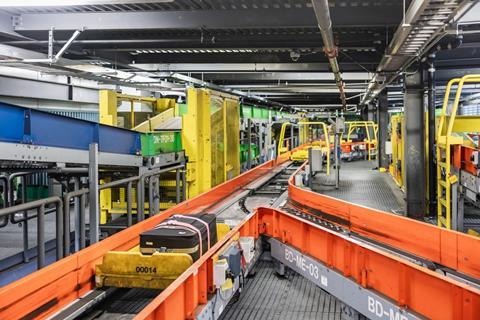
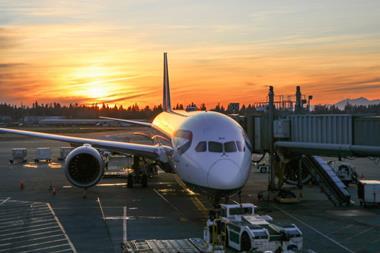
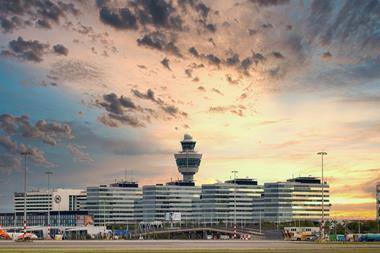
Vancouver International Airport saw 26.9 million passengers in 2025 and processes approximately 40,000 bags per day. Credit: YVR.
A different kind of baggage innovation
Baggage handling is entering a new phase. While automation and infrastructure remain important, the next generation of innovation is being shaped by intelligence, agility and collaboration. At Vancouver International Airport (YVR), this shift has guided how we think about the future of baggage operations.
Rather than focusing on a single transformation, our approach has been to build a resilient ecosystem, one that blends emerging technology, strong partnerships, and empowered operational teams. The objective is simple: create a predictable, reliable and resilient service.
This mindset has shaped several initiatives over the past few years, from exploring baggage biometrics to implementing intelligent auto routing and introducing an integrated supply chain model. Together, these efforts are redefining how baggage operations can evolve within an active, high-performing airport environment.
Seeing bags differently: exploring computer vision
One of the most exciting developments has been our partnership with BagsID to explore computer vision and baggage biometrics. The concept is both simple and transformative: identify bags by how they look, not just by the tag attached to them.
Using cameras and machine learning, each bag is assigned a unique visual fingerprint based on features such as shape and colour. This allows bags to be recognised even when tags are damaged, missing, or unreadable. It adds a layer of resilience to traditional tracking and opens new opportunities to baggage tracking. The initial phase augmented the performance of existing Automated Tag Readers – ultimately increasing read rate to 99%.
Beyond identification, this technology offers a glimpse into the future. Enhanced tracking visibility, improved reconciliation, and deeper operational insights all become possible when bags can be reliably recognised throughout the journey. It also introduces new opportunities to strengthen passenger-facing services, including more accurate delivery expectations and improved tracking transparency.
The proof of concept demonstrated how computer vision can complement existing systems and help move baggage operations toward a more intelligent and connected future.
Intelligent flow with auto routing
Another major milestone was the transition to a new high-level control platform using Brock Solutions’ SmartSort with auto routing functionality. This upgrade fundamentally changes how bags move through the system.
Instead of relying on static routing logic, auto routing dynamically evaluates available paths and automatically selects the most efficient route. When demand shifts or system conditions change, the routing adapts in real time. The result is smoother flow, improved balance across the system, and faster recovery during disruptions. Since the implementation of the new high-level control, we have been able to reduce unnecessary re-routing of bags by 3% – that’s 4,000 in a day.
This capability also enhances operational confidence. Teams gain better visibility while the system manages complexity in the background. The combination of automation and operational awareness allows for more agile decision-making and consistent performance across both outbound and transfer product, minimising the need for manual intervention by our teams.
Auto routing is more than a technical enhancement, it represents a shift toward a more adaptive baggage environment, where the system continuously optimises itself to support operational goals.
From service providers to an integrated supply chain
Technology alone cannot transform baggage operations. Performance ultimately depends on how well people and organisations work together. Recognising this, YVR introduced an integrated supply chain operating model that aligns multiple service providers around shared outcomes.
Rather than managing separate functions independently, the new model brings stakeholders together under a common performance framework focused on reliability, resilience and recovery. The emphasis moves from individual responsibilities to end-to-end results.
This integrated approach has strengthened collaboration and improved co-ordination during both day-to-day operations and disruptions. Planning for peak periods, managing variability, and driving continuous improvement are now shared efforts. The baggage operation functions as a connected ecosystem rather than a series of handoffs.
The result is greater consistency, stronger accountability, and a more unified operational culture.
Resilience as an operating philosophy
At YVR, resilience is not a response strategy, it is embedded in how the baggage operation is designed. The focus is on agility, adaptability, and maintaining continuity under changing conditions.
Operational teams continuously monitor demand patterns and system performance, adjusting priorities to maintain flow. Intelligent routing, coordinated planning, and structured response strategies work together to stabilise operations before issues escalate.
This approach allows the baggage operation to absorb variability while maintaining reliable service. Whether responding to peak demand, schedule changes, or unexpected disruptions, the emphasis remains on minimising passenger impact and sustaining performance.
By designing for resilience, the operation becomes more flexible, more predictable, and better prepared for future growth.
Turning data into action
Behind these innovations is a growing emphasis on business intelligence and data-driven decision-making. YVR has invested in developing teams that bridge analytics and operations, ensuring insights translate into action.
Performance data is no longer just retrospective. Planning and analytics teams work closely with operations to identify emerging risks, highlight trends, and support proactive planning. Dashboards are designed for clarity, enabling quick interpretation and confident decision-making.
This integration of data into daily operations is shifting the culture from reactive monitoring to proactive management. Small adjustments – based on real time insight – help maintain flow and improve reliability across the baggage journey.
Over time, this capability becomes a powerful enabler, supporting both operational excellence and long-term innovation.
Keeping the passenger experience front and centre
Every baggage innovation ultimately connects back to the passenger. By focusing on resilience, visibility and collaboration, YVR is improving consistency across the baggage journey. Reliable operations, predictable delivery outcomes, and smooth connections all contribute to a better passenger experience.
Looking ahead, emerging technologies such as computer vision and advanced analytics will further enhance transparency. Improved tracking visibility and more accurate delivery expectations will help passengers stay informed and reduce uncertainty. This ultimately helps in ensuring better customer service for all.
The goal is clear: make baggage handling not just efficient, but dependable and passenger-focused.
What’s next?
The initiatives underway at YVR represent more than individual improvements, they form the foundation of a next-generation baggage handling industry. Computer vision, intelligent auto routing, integrated supply chain management, and data-driven teams are all contributing to a more adaptive and resilient operation.
As passenger expectations evolve and operational complexity increases, this flexibility becomes increasingly important. Innovation will continue to focus on strengthening intelligence, empowering teams and enhancing collaboration.
The future of baggage handling is not defined by a single technology or system. It is defined by how seamlessly technology, people and processes come together.
At YVR, that future is already taking shape, one that is resilient, agile and designed with the passenger at its centre.
This article was published in International Airport Review’s baggage innovation eReport in May 2026.
To read the full eReport click here.





No comments yet