



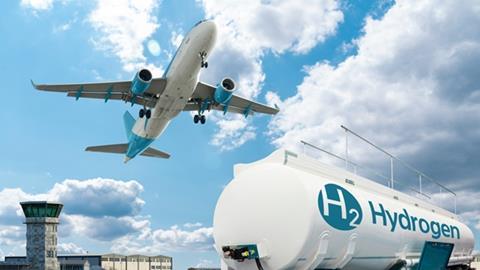
The UK Civil Aviation Authority has published a hydrogen aviation roadmap following successful trials involving airports, aircraft and hydrogen ground operations.
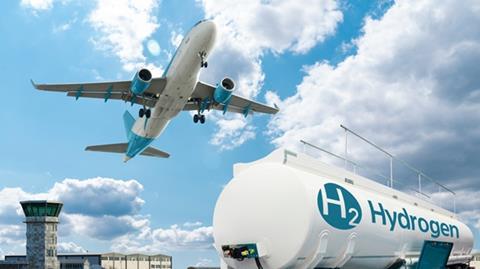
The UK Civil Aviation Authority has unveiled a roadmap outlining how hydrogen-powered aviation could be safely introduced over the next decade.
The UK Civil Aviation Authority (CAA) has published the findings of its Hydrogen Challenge alongside a new roadmap outlining how hydrogen-powered aviation could be safely introduced into the UK by 2035.
The initiative brought together regulators, airports, manufacturers, airlines and academic partners to assess the opportunities and challenges associated with hydrogen propulsion, airport operations and supporting infrastructure. Evidence gathered through the programme will help inform future regulations as the aviation sector works towards lower-carbon operations.
The Hydrogen Challenge included 11 projects spanning different parts of the aviation ecosystem, generating operational data on hydrogen technologies while identifying potential gaps in existing regulatory frameworks.
Hydrogen trials provide evidence for future aviation regulations
The newly published roadmap sets out the CAA’s ambition to support the scaling of hydrogen operations for smaller aircraft by 2035, while maintaining high safety standards as new technologies enter service.
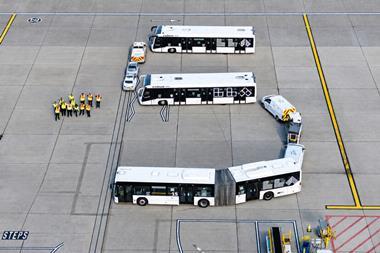
Three organisations completed real-world hydrogen demonstrations as part of the programme. Exeter Airport (EXT) trialled hydrogen-powered ground support equipment during aircraft turnaround operations in partnership with Cranfield University, TUI and ULEMCo. The trials included daytime, nighttime and winter operations, demonstrating that hydrogen-powered equipment could operate safely in a live airport environment.
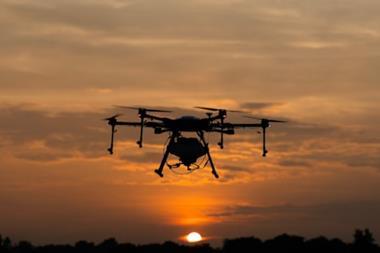
Cranfield Aerospace Solutions tested hydrogen fuel-cell technology on its Stingray unmanned aircraft system, helping identify important safety considerations for future hydrogen-powered aircraft, including fuel-cell temperature management.
Meanwhile, Rolls-Royce and easyJet successfully modified a Pearl 15 engine to operate using 100% hydrogen. The engine completed a simulated flight cycle, providing valuable performance and safety data to support the continued development of hydrogen propulsion technologies.
Sophie O’Sullivan, Director of Future Safety and Innovation at the UK Civil Aviation Authority, said: “The development of hydrogen technology in aviation could increase the availability of cleaner aviation fuel for the sector.
“The next decade is going to be transformative for this technology.”
Stephen Wiltshire, Managing Director of Exeter Airport, added: “We’re pleased that the work carried out at Exeter Airport has helped inform the CAA’s Hydrogen Challenge and its roadmap for the future.”
The CAA said collaboration between regulators and industry will remain essential as hydrogen technologies continue to develop, with the roadmap providing a framework for future certification, operational standards and infrastructure requirements needed to support the safe introduction of hydrogen aviation across the UK.





No comments yet