

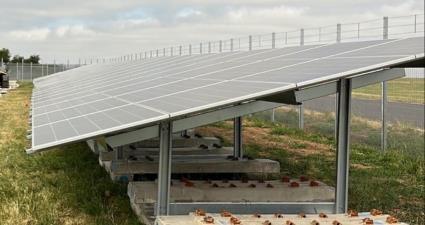
Solar arrays at Bristol Airport have generated more than 1,700,000 kWh in 2026, a fifth more than last year, supporting its 2030 net zero target.
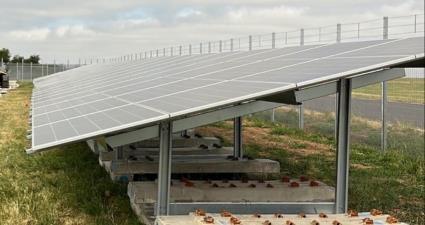
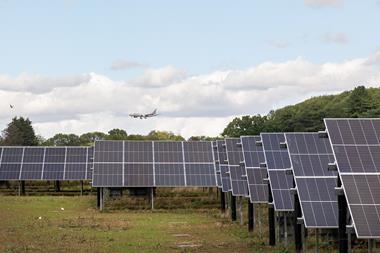
Bristol Airport (BRS) has generated a record amount of renewable energy in 2026, with solar output 20 per cent higher than last year and equivalent to the power used by around 680 homes annually.
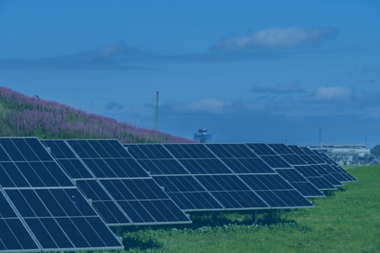
More than 1,700,000 kWh has been generated from the airport’s solar arrays so far this year, exceeding the 2025 total by a fifth. The arrays were installed as part of the company’s target to achieve net zero airport operations by 2030.
Solar power supports terminal and airside operations
The energy powers the electric buses that transport passengers across the site, runway lighting and everything in the terminal, from flight information screens to coffee machines.
Bristol Airport has a 1.5-megawatt solar farm south of the runway, plus panels on the roofs of many buildings, including the new Public Transport Interchange.
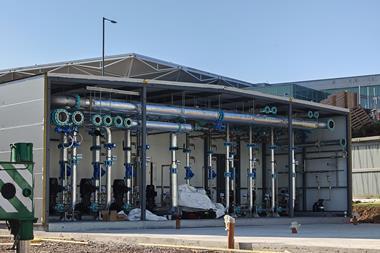
The £10 million Energy Centre is due to become operational later this year, using electrically powered air source heat pumps to heat and cool the terminal. It will allow the airport to become one of the first in the UK to remove gas heating from its terminal.
Last month, the airport announced it was funding research into low-height wind turbines, which aims to overcome barriers to deployment at airports, such as radar interference.
Clare Hennessey, Director of Sustainability at Bristol Airport, said: “We’re working towards our commitment to be net zero across our airport operations by 2030. This year we’ve managed to produce 20 per cent more renewable energy on site compared to 2025, which means less needs to be taken from the national grid. Our investment in solar panels, as well as electrification of buses, are among the initiatives we’ve been rolling out to meet the target.”
The airport has set an interim target to cut carbon emissions across its operations by 73 per cent by 2027 under its Sustainability Strategy. It is also working in partnerships with the aerospace sector to develop zero emissions flight.



No comments yet