
For our new CEO Series, Editor Holly Miles sat down with Christina Cassotis, winner of IAR’s Airport Leader of the Year in 2025, to discuss how they are challenging conventional thinking, redefining the role of an airport and why the industry’s future depends on bolder leadership.

Christina Cassotis, CEO of Pittsburgh International Airport (PIT) and International Airport Review’s Airport Leader of the Year in 2025, had a tough job when she joined the airport in 2015.
The airport team and community were said to be still reeling from the loss of the U.S. Airways hub a decade earlier, and an airport that was not reaching its full potential.
Fast-forward to the present, having opened the airport’s landmark new $1.7 billion terminal on 18 November 2025, and the airport (and city) is world-renowned as the robotics capital of the world, as pioneer in workforce development initiatives, for its prestigious xBridge Innovation programme and its CEO’s visionary approach that has turned the airport into what it is today.
Creating a resilient and supportive workforce
From speaking with Cassotis, it is clear she passionately believes in supporting and lifting her workforce and community and views the airport as a major tool to do this.
“To me, succession planning, workforce training, workforce attraction and making aviation a cool place to work are all critical. There are many options available to smart people today and many industries competing for talent. We want people to choose aviation, and it’s our responsibility to prove that it’s a great place to spend a career, or even part of one.”
“I also think airports remain undervalued. Many people don’t even realise airports have CEOs. We need to help more people understand the value of what airports do and attract more talent into the industry.”
The PIT2Work programme
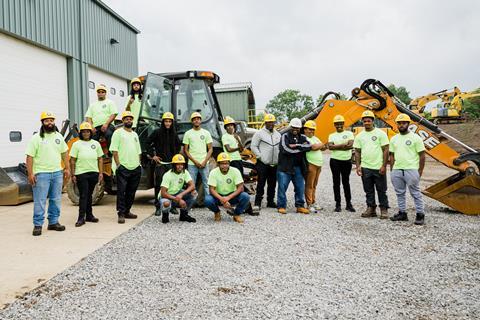
“We’re public infrastructure. That means we’re responsible for economic vitality and social mobility. We have an obligation to ensure the benefits of the airport reach more than a limited group of passengers or partners,” says Cassotis.
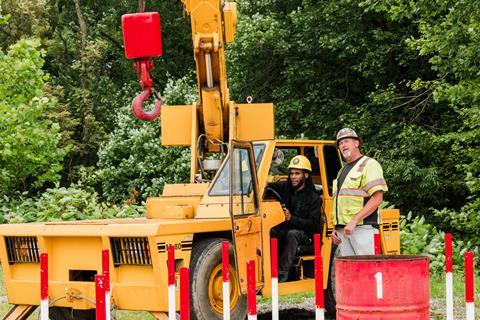
She saw the new terminal programme as a fantastic opportunity to upskill the local community and create a lasting impact and so launched the PIT2Work programme.
“We wanted Pittsburgh residents to build it, so the economic benefits stayed in the community. But this meant relying on local contractors.”
To do this, they identified the blockers, which included shortages in certain skilled trades. They also found many workforce development programmes struggled because of childcare, transportation and training barriers.
To tackle this, they partnered with organisations to address those issues. Recognising that childcare can be a barrier to potential airport employees taking up work and a factor in employees leaving the company, Cassotis took a revolutionary step and opened an on-site childcare facility in September 2023. Providing a childcare option on the same site as an employee’s workplace helps strengthen parents’ work-life balance and supports workforce development – and PIT remains one of the few airports in the world that offer this benefit.
The airport also worked with public transport providers to improve access to the airport and created a training programme delivered through partners.
“The result was an 87% placement rate from a five-week pre-apprenticeship programme into skilled trades jobs.”
The result of the new terminal project was the creation of 14,300 jobs, $1bn in direct labour income, $2.5bn in economic activity and the use of over 90% of local labour and supplies.
Driving innovation through the xBridge programme
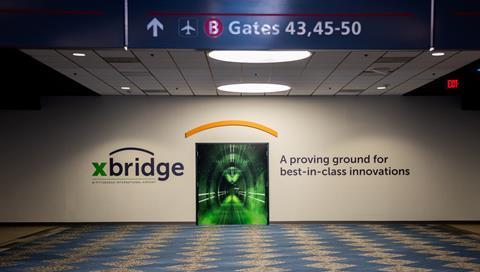
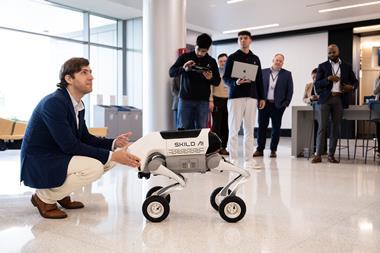
In November 2020, Cassotis opened the 10,000 square foot xBridge innovation centre in the airport’s Concourse B. The centre partners with innovators from around the world, using the airport as a testing ground for solutions. The space has a maker space, an open design studio and simulated areas of the airport such as concessions and arrivals.
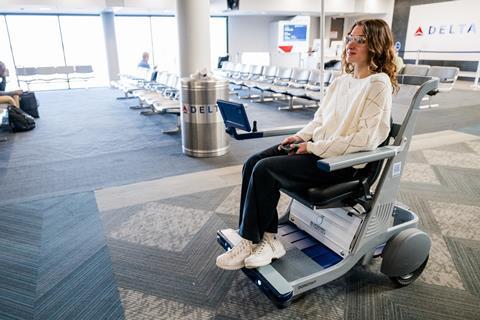
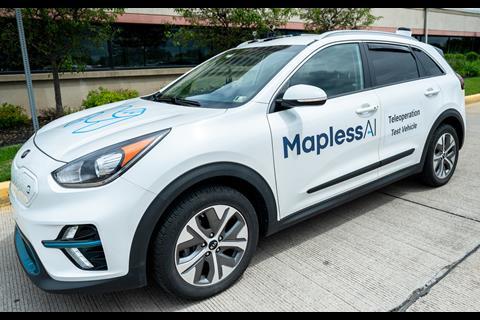
Initiatives that have been tested in the past range from remote-operated cars with Mapless AI, to Blueberry – an autonomous wheelchair provider, and a predictive AI system created by Carnegie Mellon University students that uses sensors and data of arriving flights to create smarter cleaning schedules.
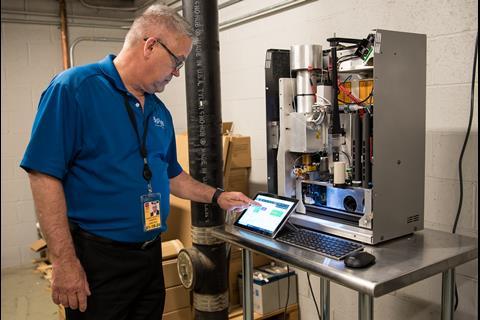
“One of the latest projects is BioFlyte, which uses spectrometry to detect airborne contaminants in the air for toxins, viruses and bacteria, to improve health and security. This project is moving towards commercialisation.
The innovation centre has become renowned as a premier launchpad for deep-tech start-ups and taking non-aviation technology and implementing it within the airport.
“Another success story is Gecko Robotics. We used its technology during terminal construction to verify that concrete had properly filled structural columns. That project opened new opportunities for the company within the construction sector.”

Christina’s leadership
When Cassotis joined, the airport was said to be a shadow of its former self. However, Cassotis boldly said in her job interview that if the airport planned to return to a hub operation, then she would not take the job.
“What we did was recognise that reality and lean into it. We aligned our strategy around becoming the best origin-and-destination airport possible. I didn’t change the business model, I simply recognised what the business model already was, and built our strategy around it.”
However, that is not to say that PIT may not become a hub once more in the future and Cassotis does not rule this out: “Could the industry change? Absolutely. Pittsburgh could continue to grow and one day attract a hub operation. We have the land and infrastructure to support that. But it wasn’t part of our short-term strategy.”
When asked what advice she would give other CEOs trying to change the status quo, Cassotis replies: “We need bold visions in this industry. My advice is to bring people in who see things differently. It’s valuable to have people question, ‘why do you do it that way?’ because sometimes the honest answer is that nobody knows anymore. It’s easy for organisations to become insular, and that’s when they get into trouble.
“One of my favourite expressions is: ‘The fish rots from the head.’ It means that as the leader goes, so goes the organisation. If you’re asking your team to do things you won’t do yourself, that’s unfair and ineffective. If you want a culture of bold thinking, you must model it yourself.”
You’ve got mail, the CEO Mailbox
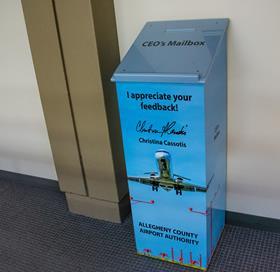
It is this mindset which lead Cassotis to install CEO mailboxes all around the airport campus in 2017 to better hear from employees.
“We follow up with everyone who signs their submissions. Anonymous notes are reviewed too, particularly if we see a pattern emerging. Most of the suggestions we receive are ideas rather than complaints.”
One notable idea came from Jason Rudge, a snowplough driver whose child inspired – and gave his name to – Presley’s Place, a sensory room for passengers with autism or sensory sensitivities, where they can go to escape the hustle and bustle of the noisy terminal.
“He pointed out that some families might never consider travelling otherwise. That idea opened up opportunities for people who may never have imagined flying.”
The future
What’s next for the IAR Airport Leader of the Year?
“I’m excited about making cross-functional working a normal part of how we operate. Areas such as parking now involve finance, data, operations, marketing and customer experience working together.”
It’s hard not to feel inspired by Cassotis’s leadership strategy, as the airport experience, culture and community that she has built is truly impressive. Cassotis is a leader who sets the goal high, identifies the barriers to success and removes them.
And even though she has now modernised the terminal, Cassotis is not a leader to rest on her laurels. Her focus now is on succession planning, refining how they work and on master planning for the wider campus footprint of the future, “and of course, whatever unexpected challenges come next! Because as an airport CEO, there’s always plenty to do!”
IAR’s Airport Leader of the Year 2026 will be announced at the Airport Honour Awards taking place during the International Airport Summit in Rome on 11 November.


No comments yet