


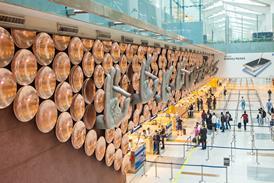

This week’s picture of the week highlights Helsinki exploring faster regional connections with Tallinn through electric aviation and compact airport infrastructure.

Helsinki is exploring the potential for faster and more direct regional air connectivity with Tallinn through a new collaboration focused on electric aviation infrastructure and passenger demand.
The City of Helsinki has signed a Memorandum of Understanding with Electra and Haaga-Helia University of Applied Sciences to examine how new electric aircraft could complement existing transport connections across the Gulf of Finland.
Helsinki Tallinn electric air connectivity
The study will assess a proposed connection between Helsinki and Tallinn using Electra’s Ultra Short aircraft, which is designed to take off and land within 50 metres. The concept would use compact access points positioned closer to where passengers begin and end their journeys, potentially reducing transfers associated with conventional airports.
Around 80 kilometres separate Helsinki and Tallinn, with approximately 7.5 million travellers moving between the two cities each year. Existing ferry journeys can take around two hours before accounting for terminal access and boarding, while air travel involves traditional airport and security processes.
The collaboration will investigate whether electric aviation could provide a more direct alternative while complementing existing ferry and air services.
Under the agreement, the partners will examine passenger demand, infrastructure requirements, operating economics, regulatory considerations and potential public-private partnership models. The study is expected to be completed by the end of 2026.
Electra will assess potential requirements and indicative costs for Ultra Short access points at candidate locations identified by Helsinki. The city and Haaga-Helia will examine existing travel patterns and how demand could change according to factors including journey time, ticket prices, seasonality and time of day.
The parties will also explore the possibility of a future flight demonstration using Electra’s existing EL2 technology demonstrator, subject to further agreements and regulatory approvals.
Diana Siegel said the Helsinki-Tallinn route represented a potential market where strong travel demand and the short distance between cities could support a new approach to regional connectivity.
Susanna Niinistö-Sivuranta said the collaboration would allow the partners to assess electric aviation from passenger demand and economics through to infrastructure and its wider regional impact.
The findings will ultimately be used to develop a roadmap for potential Ultra Short infrastructure in Helsinki and identify viable commercial models for future regional services.
For Helsinki, the project provides an opportunity to investigate whether emerging electric aircraft could complement existing transport networks while strengthening international connectivity and supporting lower-emission regional mobility.









No comments yet