
Changi Airport has completed its first satellite gate, introducing a new remote boarding facility designed to improve passenger experience and support future airport growth.
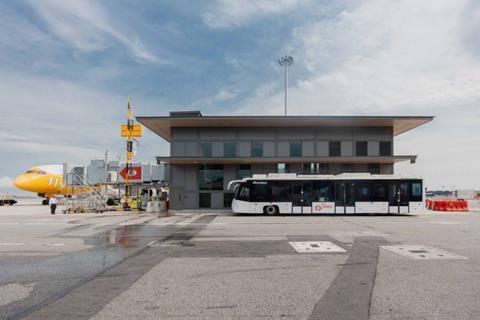
Changi Airport (SIN) has completed construction of its first satellite gate, marking a significant development in the airport’s approach to remote aircraft operations while improving the passenger experience for flights departing from remote parking stands.
The standalone boarding and disembarkation facility will begin handling selected passenger flights from August 2026 following operational readiness trials involving more than 500 airport employees.
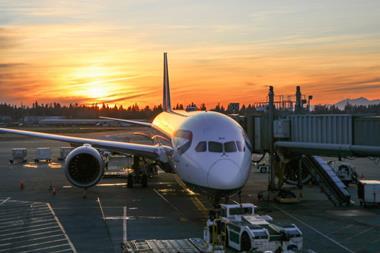
Remote aircraft stands currently support around 2% of passenger flights at Changi Airport, providing additional apron capacity during peak operating periods when contact gates are fully occupied. The new satellite gate extends the convenience of aerobridges to these flights, allowing passengers to board and disembark in a fully sheltered environment.
Changi Airport satellite gate enhances remote passenger experience
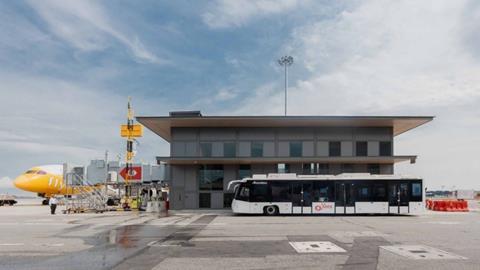
Located within the airfield, the 200-square-metre facility features two aerobridges connected to a fully air-conditioned building. Passengers travelling on selected remote stand flights will be transported by bus from the terminal before boarding their aircraft directly through the aerobridges, removing the need to walk across the apron.
The facility has been designed with accessibility as a priority. A gently sloping 60-metre ramp provides easy access for wheelchair users, passengers travelling with pushchairs, families with young children, senior travellers and those carrying wheeled cabin baggage.
Arriving passengers will follow the reverse process, entering the satellite gate through the aerobridges before boarding buses back to the terminal.
Beyond improving passenger comfort, the new facility also provides a sheltered working environment for airport personnel, including ground handlers, passenger service agents, auxiliary police officers and aircraft cleaning teams.
The satellite gate has also been designed to support Changi Airport’s sustainability objectives. The building operates as a zero-energy facility powered entirely by rooftop solar panels, with electricity stored in an off-grid battery system to reduce reliance on the airport’s main power network.
Smart building technology has also been incorporated into the design. Air conditioning is automatically activated using live flight information to minimise unnecessary energy use, while remote monitoring systems detect electrical faults and notify maintenance teams, allowing faster response times and improved operational reliability.
Koh Ming Sue, Executive Vice President, Engineering & Development at Changi Airport Group, said: “Every element of the satellite gate has been designed with passenger experience, universal accessibility, staff-friendliness and operational practicality in mind.”
She added: “As we continue to enhance Changi’s infrastructure, we are also integrating environmental sustainability features and smart technology into new developments to reduce carbon emissions, strengthen operational resilience and improve service efficiency.”
Supporting future airport capacity
Since May, Changi Airport Group has conducted extensive training and operational trials to prepare staff for the introduction of the facility.
Yeo Kia Thye, Managing Director, Airport Operations Control, said: “As passenger traffic continues to grow ahead of the opening of Terminal 5 in the mid-2030s, remote stand facilities such as the satellite gate will play an increasingly important role in supporting Changi Airport’s operations especially during peak periods.”
The airport said operational feedback from the initial rollout will help inform future plans for additional satellite gates as passenger demand continues to grow.


No comments yet