

Brussels Airport will add eight arrivals border control positions this year and six e-gates in early 2027 as the Entry/Exit System continues to lengthen waiting times.
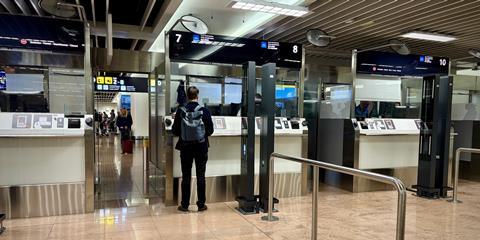
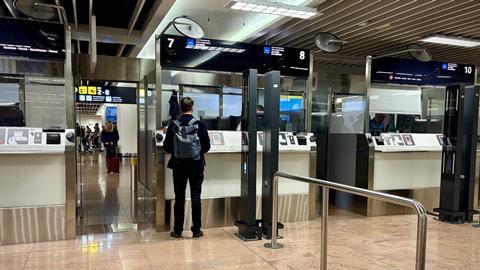
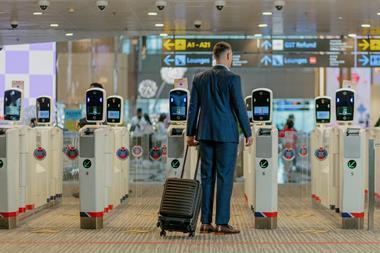
Brussels Airport (BRU) will install eight additional border control positions at arrivals before the end of 2026, followed by six further e-gates in early 2027, as it seeks to reduce long waiting times linked to the European Entry/Exit System (EES).
The EES digitally records the entry and exit of non-European passengers and requires additional checks. Although the airport planned extra infrastructure ahead of the system’s introduction at the end of 2025, it says processing times remain too long.
Brussels Airport said that, alongside additional fully staffed infrastructure, the use of e-gates by non-European passengers and measures at European level remain necessary to reduce waiting times.
EES extends border processing times
Since the EES was introduced, border checks for non-Schengen passengers have taken considerably longer. Registration in the system requires the capture of biometric data, including facial images and fingerprints, while passengers from certain non-Schengen countries who could previously use e-gates are no longer able to do so.
According to Brussels Airport, the average processing time for each arriving visa passenger during the morning peak is two to three times longer as a result of the EES, far exceeding initial estimates across Europe.
Non-European passengers arriving at Brussels face long waits at border control, a situation mirrored at many other European airports where queues regularly last between two and four hours. Following a slight improvement in August, waiting times rose again in September as biometric data registration increased.
In anticipation of the EES and rising passenger numbers, the airport invested in additional infrastructure in 2025. Manual border control positions increased by 20 per cent at arrivals and by 25 per cent at departures, exceeding the growth in passenger traffic. However, the airport said the longer processing times mean waiting times remain too high despite this added capacity.
Arrivals capacity to double within 12 months
The new positions, due in December 2026, will increase border control capacity on arrival by 66 per cent, meaning manual capacity at arrivals will have doubled within 12 months. Brussels Airport said it will work with all partners involved to bring the positions into use as soon as possible.
In May 2026, the airport also ordered six further e-gates from the federal police. Due for delivery in early 2027, they will increase e-gate capacity at arrivals by 50 per cent.
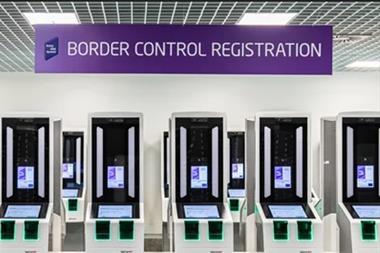
Last year, Brussels Airport invested in 60 EES pre-registration kiosks, intended to reduce waiting times at manual checks and enable third-country nationals to use e-gates. Before the summer, the competent authorities decided that passengers from certain non-European countries could use the kiosks. However, technical problems experienced by the government’s suppliers mean they are not yet operational.
Once in use, the kiosks are expected to reduce waiting times, particularly for departing passengers. On arrival, e-gate use is limited to certain nationalities and to passengers already registered in the EES.
Calls for European-level action
Alongside staffing and infrastructure investment, Brussels Airport said further measures are needed at European level. The airport supports the call by ACI Europe and Airlines for Europe to improve EES implementation, including optimising biometric checks and introducing an effective, widely applicable app allowing passengers to register in advance that could also be used in Belgium. Currently, only Sweden and Portugal offer such an app.
The airport also said sufficient flexibility should be built into the EES to address excessively long waiting times. This could include temporarily suspending biometric registrations when queues become too long, while maintaining necessary security checks.
Brussels Airport is working closely with the relevant authorities and government departments through a dedicated steering group, with the shared aim of ensuring accurate and secure border controls with acceptable waiting times for passengers.
Will we be exploring this in more depth at IAS for the session below on Thurs 12th Nov:
INTERVIEW: Delivering the EU Entry/Exit System: Lessons from the frontline
Peak season demand stress-tested EES implementation across Europe, with long processing times highlighting gaps between policy and operational reality. Drawing on Berlin Brandenburg Airport’s experience, who reported hours-long queues, this interview examines what worked, what did not and how airports can refine processes to maintain efficiency during future peaks.
Confirmed speaker:
- István Szabó, Managing Director and Chief Operating Officer, Berlin Brandenburg Airport
- Interviewed by: Holly Miles, Editor, International Airport Review





No comments yet