



ACI EUROPE and Airlines for Europe warn that escalating delays at border control points across European airports could become systemic without extended flexibility measures, as key EES implementation milestones approach and critical operational safeguards are set to be removed in April.
European airport and airline bodies, including ACI EUROPE and Airlines for Europe, have issued renewed warnings over the operational impact of the Schengen Entry Exit System (EES) as its rollout accelerates during a critical travel period.
Following the requirement introduced on 10 March to register 50% of Third Country Nationals, airports across Europe are reporting increasing strain at border control points. Waiting times are now frequently reaching up to two hours during peak periods, with some locations experiencing even longer delays.
Olivier Jankovec and Ourania Georgoutsakou said the situation is likely to worsen as passenger volumes increase over the Easter holiday period.
“Passengers entering the Schengen area are likely to wait even longer at border control due to ongoing operational challenges linked to the EES rollout,” they said.
Airports and airlines highlighted that current mitigation measures, including partial or full suspension of EES processes during peak traffic periods, have been critical in maintaining operational continuity. However, upcoming milestones are expected to increase pressure further.
From 31 March, all Third Country Nationals will need to be registered, followed by the end of the transition phase on 9 April. After this point, Member States will no longer be able to fully suspend the system during periods of high demand, removing a key operational safeguard.
Industry bodies are calling on the European Commission and Member States to extend flexibility measures throughout the 2026 summer season to avoid significant disruption.
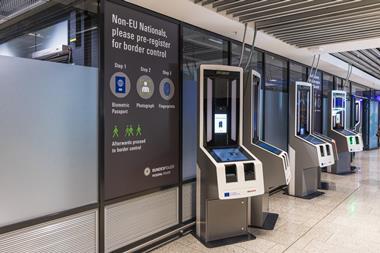
Key challenges remain unresolved, including staff shortages at border control, technical issues with self service kiosks and limited deployment of automated border control gates. Concerns have also been raised about the reliability of the central EES IT system and the limited adoption of pre registration apps, currently used only in a small number of countries.
Airports and airlines warn that without further intervention, longer waiting times could become a systemic issue, negatively impacting passenger experience and operational efficiency across the European aviation network.
While supporting the objectives of EES in strengthening border security, the industry stresses that implementation must remain operationally viable to ensure smooth airport operations during peak travel periods.










No comments yet