
Research calls for a collaborative approach actively involving passengers with physical and mental disabilities in the design of new services and infrastructure.
A study from the Breda University of Applied Sciences (Buas) is highlighting the continuing barriers to air travel experienced by passengers with disabilities. Examining each touchpoint of the passenger journey, from online booking to baggage claim, researchers sought to gain a better understanding of current standards and what they mean for the 90 million adults in the EU living with a disability.
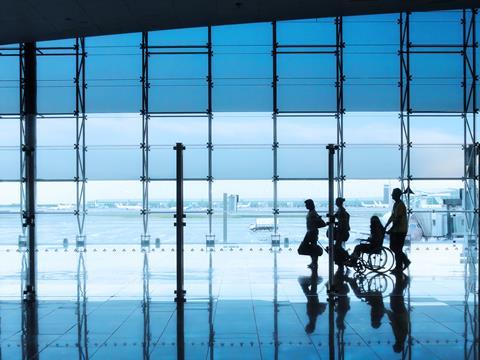
The study, published in Research in Transportation Business & Management (Elsevier), comprises passengers with a wide range of disabilities, including wheelchair users, people with visual or hearing impairments, and those with hidden conditions such as autism or anxiety.
With expected passenger growth in the coming decade, the industry risks scaling a system that excludes a substantial share of the population. To address this, BUas is working with European university partners on INCLAVI (Inclusive Aviation), an EU Erasmus+ funded project developing the education and knowledge needed to make air travel more inclusive. The researchers introduced two new concepts: the cumulative effect of barriers and standardised flexibility.
The problem runs deeper than infrastructure
While physical barriers remain widespread, the study highlights something more pervasive: the cumulative effect of barriers. A missing detail at bookings, staff who fail to pass on disability-related information at check-in, a wheelchair damaged in the hold – none of these is catastrophic in isolation. Together, they form a pattern that exhausts passengers and erodes their dignity and trust in the aviation system.
“Many regulations and standards exist, yet the struggles remain,” says Simone Moretti, senior researcher in Tourism Impacts on Society at BUas. “The aviation sector has good intentions, but consistent, dignified service requires more than compliance. It requires truly understanding what these passengers go through.”
A call for co-creation
The researchers call on the aviation industry to actively involve passengers with physical and mental disabilities in the design of new services and infrastructure. Only through genuine co-creation can systemic change take root. Aviation does not have to choose between uniform safety standards and individual adaptability; improvements can be consistent across all airports while still being tailored to each passenger’s specific needs. As a practical resource, BUas and its partners have developed a free training course for aviation professionals.



No comments yet