



Oslo Airport unveils expansion plans focused on cargo relocation, capacity optimisation and long term infrastructure development to support increasing passenger traffic and Norway’s export growth.
Oslo Airport (OSL) has unveiled a comprehensive expansion strategy aimed at strengthening its role as Norway’s primary aviation hub while addressing increasing demand across cargo and passenger operations.
The plans, developed by Avinor, form part of a long term modernisation programme designed to enhance efficiency, unlock capacity and support national export growth.
Airport Director Thorgeir Landevaag said the initiative represents a fundamental rethink of the airport’s future development.
“We have essentially put the entire Oslo Airport on the drawing board,” he said, highlighting the need to respond to sustained growth in both passenger volumes and freight demand.
Oslo Airport expansion cargo and capacity plans focus on long term growth
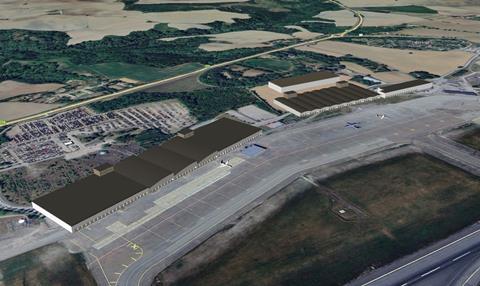
A central element of the strategy is the relocation of the airport’s cargo operations to the west side of the site. The new cargo area will include modern logistics and handling facilities, designed to improve capacity, operational resilience and delivery stability.
This development is particularly significant for Norway’s seafood industry, which relies heavily on efficient air freight connections. As the country’s second largest export sector, seafood depends on reliable and fast transport through Oslo Airport to reach global markets.
Relocating cargo operations will also release valuable space within the existing airport footprint. This will allow for improved aircraft parking availability, particularly during peak periods and overnight operations, where current capacity constraints are most evident.
Rather than developing new infrastructure in less central areas, the plan focuses on optimising existing assets to improve cost efficiency and operational performance.
In parallel, Avinor is exploring measures to enhance runway utilisation. Planned improvements include operational and technical upgrades such as rapid exit taxiways, enabling increased aircraft movements without significant environmental or land use impact.
These enhancements are expected to delay the need for a third runway, while still accommodating forecast growth in traffic volumes.
Future phases of the programme will also consider terminal optimisation and potential expansion, although these elements remain at an earlier planning stage.
The overall development is expected to be delivered by around 2040, with the cargo relocation forming the first phase, subject to investment approvals.
Avinor believes the project will deliver broader economic benefits, supporting job creation, strengthening regional connectivity and enabling further route development, reinforcing Oslo Airport’s position as a critical infrastructure asset for Norway’s economy.








No comments yet