



Industry bodies warn that the full launch of the Schengen Entry Exit System has triggered lengthy queues, missed flights and operational disruption across European airports.

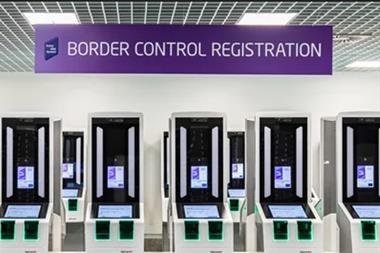
Airports and airlines have called on the European Commission and EU Member States to urgently introduce additional operational flexibility into the Schengen Entry Exit System (EES), following widespread disruption on the first day of full implementation on Friday last week (10 April).
ACI EUROPE and Airlines for Europe (A4E) said that problems they had long highlighted ahead of the system’s rollout have now materialised, with passengers facing extensive delays at border control and airlines reporting missed flights and schedule disruption.
From 31 March, mandatory registration under the EES has applied to all third‑country nationals entering the Schengen area. As of 10 April, the option for border authorities to fully suspend the system also ended. Industry feedback indicates that the combined effect is placing significant strain on airport operations, particularly during peak travel periods.
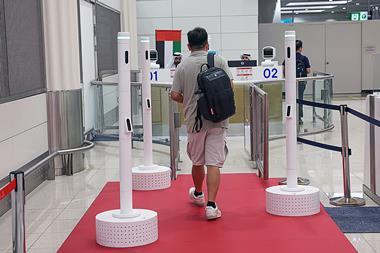
Initial reports from a number of airports across the Schengen area point to passenger waiting times of between two and three hours at airport border control. These delays are occurring despite extensive use of partial suspension measures by border authorities, which allow biometric data collection to be deferred.The impact on flight operations has been immediate. Airlines have reported passengers missing departures due to prolonged border processing, leading to knock‑on delays and reduced punctuality. In one case, a flight to the UK departed without 51 booked passengers. On another service, no passengers had reached the gate by closing time, with only 12 arriving 90 minutes later.
The European Commission stated on the day of launch that registering a traveller takes an average of 70 seconds when the EES is operating at full capacity. However, airports and airlines argue that this assessment does not reflect current operational realities, particularly in high‑volume terminals where flows are uneven and staffing levels vary.
ACI EUROPE and A4E have repeatedly warned in recent weeks that the EES rollout would pose significant challenges for border management, terminal capacity and passenger experience if introduced without sufficient flexibility. They are now urging EU institutions and Member States to act swiftly to mitigate disruption and ensure the system can be stabilised without compromising airport operations or passenger confidence.The organisations have emphasised that they support the objectives of the EES, including improved border security and more efficient traveller tracking, but stress that successful implementation depends on pragmatic transitional measures and close coordination with airport operators and airlines.
Olivier Jankovec, Director General of ACI EUROPE, and Ourania Georgoutsakou, Managing Director of A4E, said: “While we will continue to closely monitor developments in the coming days, it is already evident that greater flexibility is immediately needed. Border control authorities must be allowed to fully suspend the EES when waiting times become excessive. This is essential not only in the coming weeks, but throughout the peak summer travel season. Our support for the EES and its objectives is unwavering. However, strengthening border management must not come at the expense of operational efficiency or the passenger experience. Safeguarding Europe’s reputation as an accessible and well-functioning tourist and business destination is at stake, particularly as air travel is already facing significant disruption due to the ongoing situation in the Middle East.”







No comments yet