

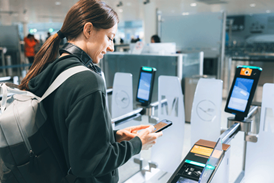

IATA trials confirm digital identity and biometrics can enable seamless contactless travel, with interoperable systems supporting secure journeys across airlines, airports and borders globally.

The International Air Transport Association (IATA) has confirmed that fully contactless international travel is now achievable following a series of successful digital identity trials conducted across Europe and Asia Pacific.
The Proofs of Concept demonstrated that passengers can complete journeys using biometric verification and digital identity stored in mobile wallets, removing the need for repeated paper document checks throughout the airport experience.
IATA digital identity trials enable seamless contactless travel
Conducted through the IATA Strategic Partnerships Program, the trials brought together airlines, airports, technology providers and governments to test how digital identity can support seamless passenger processing across multiple touchpoints.
The results showed that digital identity solutions are sufficiently advanced to enable interoperability between different systems, including national identity programmes and global digital wallets. These included platforms such as Apple Wallet, Google Wallet and India’s Digi Yatra system, allowing passengers to securely share identity data in advance of travel.
According to IATA Director General Willie Walsh, the trials represent a major step forward for the industry.
“We have proven that digital identity for international travel works securely and efficiently. The next step is for governments to accelerate efforts to issue and accept Digital Travel Credentials,” he said.
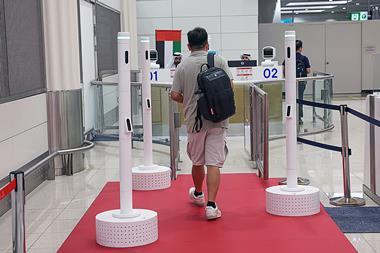
The trials confirmed that passengers can enrol remotely, share only the required identity data with consent, and then use biometric verification at airport touchpoints to move through their journey without presenting a passport or boarding pass.
A key outcome was the ability to reuse a single digital identity across multiple stages of travel, enabling a consistent “tap and go” experience from departure through to arrival, even when travelling with different airlines or transferring through multiple airports.
Three separate trials demonstrated different aspects of implementation. One focused on international transfer journeys, showing that identity data could be reused across airports and carriers without repeated checks. Another trial tested airline managed digital identity, enabling passengers to complete enrolment during booking and check in processes. A third demonstrated interoperability between different digital identity providers within a single journey.
The trials also confirmed that biometric systems can replace manual document checks while maintaining high levels of security and compliance. This has the potential to significantly reduce queue times and improve operational efficiency across airport environments.
However, IATA emphasised that widespread adoption will depend on coordinated action from governments. This includes establishing frameworks to issue Digital Travel Credentials, ensuring border systems can accept them, and working with industry to enable global interoperability.
With passenger demand continuing to grow and airports facing increasing pressure on capacity, digital identity is emerging as a critical enabler of more efficient, secure and scalable air travel.
The successful trials indicate that the transition from paper based processes to fully digital journeys is no longer theoretical, but an achievable next step for the global aviation industry.







No comments yet