

Bristol Airport has submitted comprehensive expansion plans to North Somerset Council, proposing a £500 million investment programme to increase annual passenger capacity from 12 million to 15 million by the late 2030s. The development includes terminal expansion, airfield infrastructure upgrades, enhanced surface access and the introduction of long-haul services, with a decision expected later this year.
Bristol Airport (BRS) has submitted plans to North Somerset Council to expand its infrastructure, aiming to increase capacity, enhance connectivity and support economic growth across the South West and South Wales.
The proposal includes a £500 million investment programme focused on terminal expansion, airfield upgrades and improved surface access. Central to the plans is an increase in the airport’s annual passenger cap from 12 million to 15 million, which is expected to be reached in the late 2030s.
The expansion would enable the introduction of new routes, including long haul services to North America and the Middle East, alongside enhanced connectivity to Europe and onward links to Asia. Airport officials say this would reduce reliance on London airports and provide greater convenience for both leisure and business travellers.
Dave Lees said the proposals reflect growing demand for international travel and regional economic development.
“Our plans will open up opportunities for customers to travel further afield while supporting businesses in reaching new global markets,” he said.
The development is expected to create around 1,000 new on site jobs across a range of roles, including engineering, airline operations, retail and catering. A further 36,000 jobs are projected to be supported through the wider supply chain, alongside new partnerships with local colleges to deliver skills training and apprenticeships.
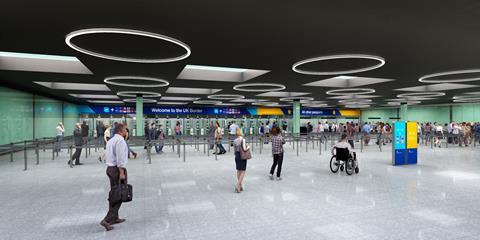
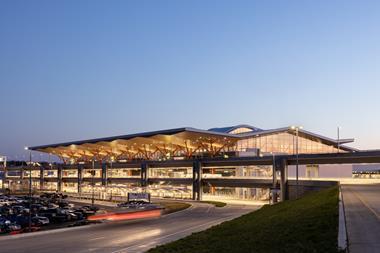
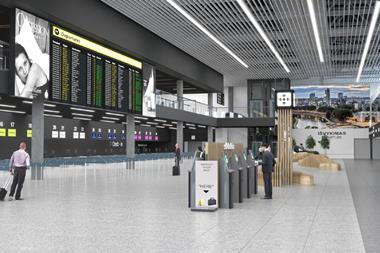
Infrastructure improvements include a larger terminal with expanded retail and food and beverage offerings, a bigger immigration hall and enhanced baggage handling systems. Passenger experience upgrades will feature travelators and an increased number of contact stands, allowing travellers to board aircraft directly rather than using buses.
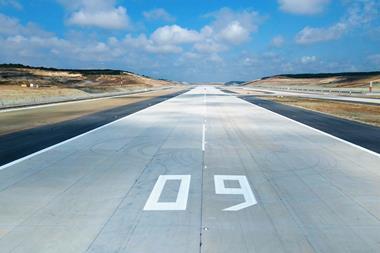
Airfield enhancements include runway and taxiway modifications to accommodate larger aircraft, as well as adjustments to approach lighting. The airport also plans to construct a new maintenance hangar to support aircraft servicing and create additional high skill employment opportunities.
Surface access improvements form a key part of the proposal, including highway upgrades on the A38, a new bus lane and expanded public transport options. The airport aims to increase the proportion of passengers using public transport to 25%, supported by its existing public transport interchange.
Aircraft movements would increase from approximately 85,990 to 100,000 annually in the longer term, with a limited rise in night flights. The airport said it is continuing to work with airlines to introduce quieter, more fuel efficient aircraft to reduce noise impacts.
Environmental measures include a commitment to deliver a 10% net gain in biodiversity through tree planting, new hedgerows and habitat creation, alongside a community fund to support local projects.
The plans align with broader regional development initiatives, including major infrastructure and business investments across the West of England.
A decision from North Somerset Council is expected later this year following public consultation.




No comments yet