

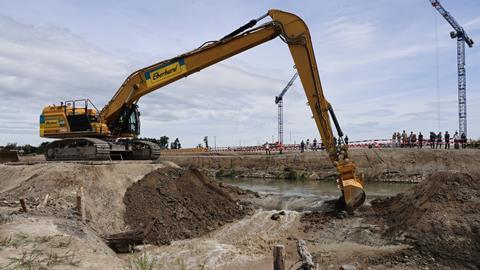
Zurich Airport has completed a significant stage of the Glatt River restoration project designed to enhance biodiversity and create new habitats.
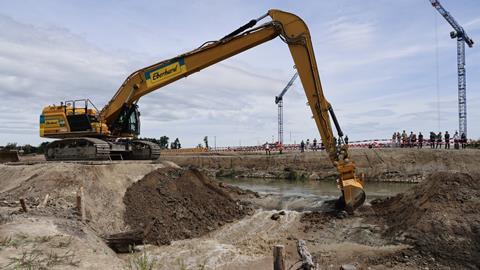
Zurich Airport (ZRH) has reached a major milestone in its environmental programme following the successful diversion of the Glatt River into a newly created natural riverbed near Rümlang.
The project forms part of a wider river revitalisation initiative designed to restore natural habitats, improve biodiversity and provide ecological compensation for airport development projects in the region.
Zurich Airport progresses Glatt River restoration project
The diversion took place during a ceremonial event attended by representatives from local municipalities and cantonal authorities. Guests marked the occasion by symbolically transferring water from the former river course into the newly created channel before construction teams opened the connection points allowing the river to flow into its new route.
Zurich Airport is investing approximately CHF50 million in the revitalisation project, which serves as an ecological compensation measure for airport infrastructure developments that affect environmentally sensitive habitats.
The project has been located close to the airport so that environmental impacts associated with airport growth can be offset within the surrounding region.
According to airport officials, the Glatt River was originally straightened and channelled around 150 years ago. The restoration programme aims to return sections of the river to a more natural state through the creation of meanders, shallow water areas and natural riverbanks.
The wider project covers a total length of 3.3 kilometres between Opfikon and Rümlang and has been divided into three separate construction phases.
The first stage currently under development in the Eichhof area extends for approximately 1.2 kilometres and is expected to be completed during spring 2027.
Airport representatives said the restored environment will create valuable habitats for a range of wildlife species. Shallow riverbank areas will provide nursery habitats for young fish, while steep banks are expected to support species including wild bees and kingfishers.
The project will also create approximately 1.8 hectares of reed meadows, recognised as among the most ecologically valuable wetland environments in the region.
As part of the first phase, around 345 trees and more than 11,000 shrubs will be planted.
Stefan Tschudin said the project demonstrates the airport’s commitment to balancing environmental responsibility with long-term airport development.
Construction on the first phase will continue until 2027, after which the wider restoration programme will be temporarily paused pending political decisions relating to the management of PFAS-contaminated soil.



No comments yet