
Western Sydney International has detailed the sensory spaces, hearing loops and changing places facilities designed into its terminal for passengers with disability.
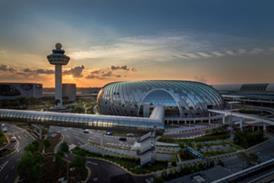
Western Sydney International (Nancy-Bird Walton) Airport (WSI) has outlined the accessibility and inclusion offerings integrated into its infrastructure and customer experience design from the outset, as Australia’s first major greenfield airport in more than 50 years.
The terminal includes sensory spaces, multi-faith prayer and quiet rooms, hearing loop technology, pet relief areas, accessible family rooms, support areas for people with reduced mobility and accessible wayfinding throughout the airport.
Sensory spaces, hearing loops and changing places
Dedicated sensory spaces are located in both the international and domestic terminals. Designed by specialist firm Creative Sensory Spaces, the rooms are intended to go beyond a traditional quiet room and support passengers experiencing anxiety or sensory stress to reset and continue their journey. They include colour-changing light effects, meditative music and sounds, and relaxation loungers.
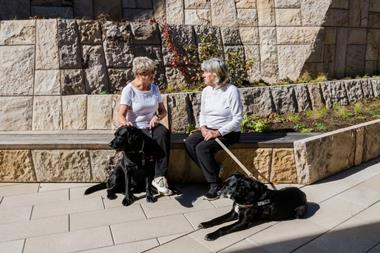
Pet relief rooms are available for arriving and departing passengers with accredited assistance animals. The wheelchair-accessible rooms include artificial grassed relief areas, water bowls, waste bags and handwashing facilities.
Multi-faith and quiet rooms allow passengers of all faiths to pray, meditate or reflect, while adjacent ablution rooms support ritual washing and spiritual preparation for faith practice. Hearing loop technology allows passengers with hearing aids or implants to hear live announcements and PA messages through the AFILS system, by switching to the T switch or telecoil position.
Family rooms provide private spaces for parents and carers to feed, change and care for infants, with curtained areas, armchairs, built-in change tables, sinks, microwaves and zip taps with instant hot and chilled water. Changing places facilities in both arrivals and departures support passengers with complex disability and high support needs, offering additional space, equipment and carer assistance beyond standard accessible toilets.
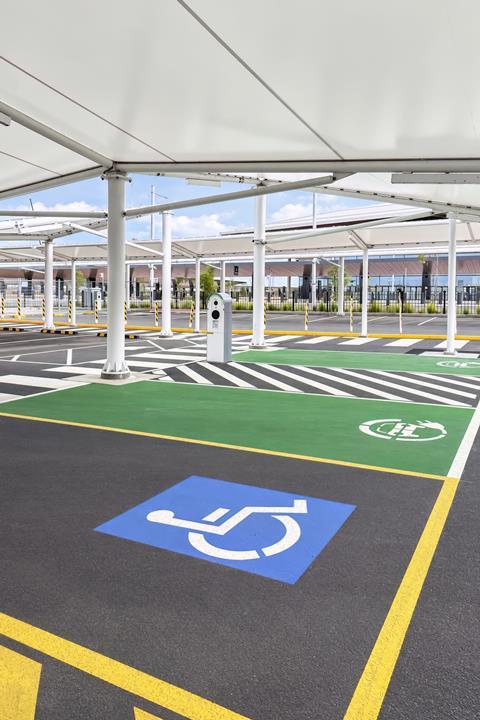
Dedicated kerbside accessible bays close to the terminal are provided for both drop-off and pick-up, supporting safe, convenient and independent access between transport services and terminal facilities.
WSI CEO Simon Hickey said: “We are proud to deliver spaces, technology and nation-leading facilities throughout our airport that are designed to make the travel experience less stressful, more accessible, and a dignified experience for people of many abilities, beliefs and preferences.”
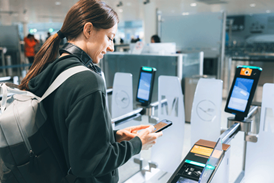
Hickey said a lift at every gate ensures the careful and safe carriage of wheelchairs down to the tarmac and onto the aircraft. He added: “The WSI terminal has been designed around a digitally enabled passenger experience that caters to different communication needs, with information available through multiple formats including hearing loop technology, terminal displays and digital platforms. These facilities and technologies are designed to enable more members of the community to travel comfortably and confidently through the airport.”
WSI’s Access and Inclusion Strategy was developed in consultation with industry bodies and community groups, including specialist disability partner Get Skilled Access, the Australian Disability Network and Diversity Council Australia.
The engagement helped identify potential barriers, improve understanding of the needs of passengers with disability and enable staff training to support passengers with a diverse range of needs.
Get Skilled Access (GSA) Co-CEO Zack Alcott said: “WSI has demonstrated a genuine commitment to understanding the needs of people with disability and embedding inclusion throughout the passenger experience.”
No comments yet