
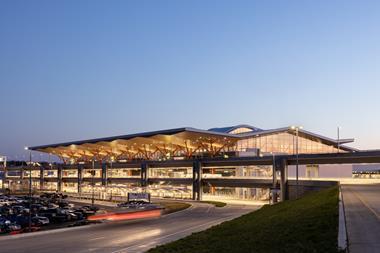
More than half of Auckland Airport’s NZ$3.9 billion terminal programme is complete, with a redesigned common use check-in zone due to reopen later this year.
Auckland Airport (AKL) has passed the halfway mark of its NZ$3.9 billion terminal integration programme, which includes a new integrated domestic jet terminal, with the first visible check-in changes due to open later this year.
More than 50 per cent of the programme has been delivered and it remains on track for 2029. In FY26 alone, the airport commissioned nearly NZ$1 billion of new aeronautical assets, including a 250,000-square-metre northern airfield expansion and major stormwater infrastructure upgrades.
Programme spans terminal, baggage and airfield works
Auckland Airport Chief Executive Carrie Hurihanganui said the milestone reflected the scale of work being delivered at the airport, which handles more than 90 per cent of New Zealand’s international long-haul capacity.
“With the majority of international travel passing through Auckland Airport, and demand forecast to grow in the years ahead, we have a critical role to play in enabling New Zealand’s growth and prosperity. We’re focused on getting on and delivering the infrastructure needed to support that.”
The full programme covers the new domestic jet terminal, expansion of the existing international terminal, a new baggage system, airfield development, transport connections and sustainability upgrades.
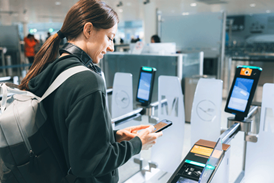
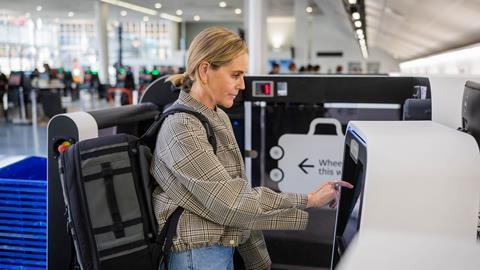
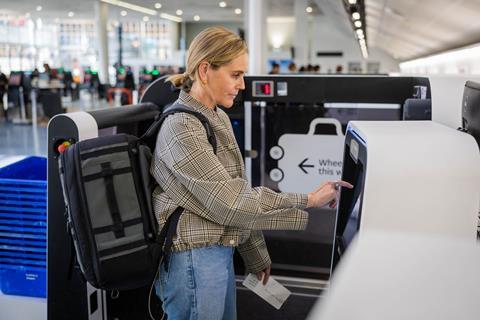
For the past six months, the 520-square-metre Zone C at the centre of the check-in hall has been behind hoardings during a full refurbishment. The space now includes 28 self-service kiosks and 15 automatic bag drops, replacing airline desks from the 1990s.
The equipment can be shared by airlines rather than allocated to a single carrier, giving airlines greater flexibility as schedules and passenger demand change through the day. Auckland Airport is moving towards a common use model, which it said will make better use of terminal space as the airport grows and lay digital foundations for further improvements.
“The flagship check-in zone we’re preparing to open gives travellers an early look at what’s coming: smarter technology, a more intuitive layout and less time spent queueing, while giving airlines greater flexibility to respond to busy periods,” Ms Hurihanganui said.
Over the coming weeks, some airlines will complete technical onboarding, testing, training and operational trials before Zone C reopens to the public later this year. The next check-in area will then move behind hoardings as further desks are replaced with self-service technology.
Until then, airlines will use a mix of desk-based and self-service check-in. By the end of the decade, domestic jet and international passengers will check in alongside each other using shared facilities in the integrated terminal.
Focus shifts to bringing infrastructure into operation
With the programme more than halfway complete, the focus is moving from building new infrastructure to bringing it into operational use. Work over the next few years includes a new front façade across the check-in hall, upgraded bathrooms and other amenities, new lifts and escalators, a new baggage handling system, and changes to departures security and passport checks.
“What comes now is different. New facilities, infrastructure and operating systems need to be brought into use piece by piece, with each one connecting into an airport that continues to serve travellers and airlines every day,” Ms Hurihanganui said.
She said construction would become more visible to passengers.
“There will be construction hoardings, changing routes and temporary arrangements while work is underway. We recognise that this will be frustrating at times, and our focus is on helping people know what to expect, keeping them moving and opening improvements in stages so the airport can continue operating while we build. It will absolutely be worth it.”
The programme is estimated to support NZ$4.5 billion annually in additional economic benefit from domestic and international tourism.
“Every part of the programme we complete brings us closer to delivering that value for New Zealand,” Ms Hurihanganui said.



No comments yet