



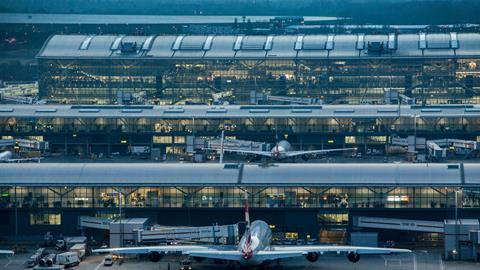
Heathrow and the UK Regional and Business Airports Group have signed a memorandum of understanding as airports across the UK back a third runway.
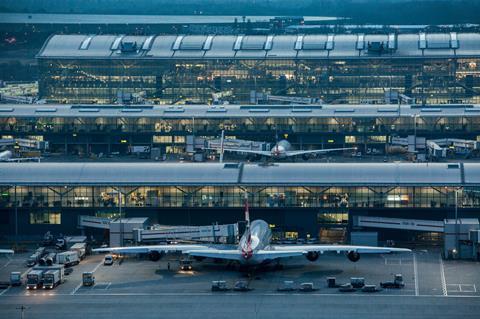
Airports from every nation and region of the UK have confirmed their support for a third runway at Heathrow Airport (LHR), as the airport and the UK Regional and Business Airports Group (RABA) sign a new Memorandum of Understanding (MoU) on domestic connectivity.
RABA represents nearly 40 smaller regional and business airports across the UK. The MoU affirms a joint commitment to ensure airports and communities across the country benefit from expansion, which Heathrow describes as a fully privately financed national project. Support is shared by airports from Belfast to Newcastle and Inverness to Newquay, which are urging the Government to move forward with Heathrow expansion to ensure the UK’s hub connectivity remains competitive.
Domestic routes compete for scarce slots
Heathrow said it already plays a critical role in connecting the UK. Almost 5 million passengers travelled on the airport’s 13 domestic routes in 2025, supporting an estimated £1.2bn in gross tourism spending across the country.
Heathrow said it has been full for many years, meaning domestic routes must compete for scarce slots alongside more lucrative international services. When domestic connections are lost, passengers rely on indirect routes via overseas hubs, which moves the benefits of connectivity away from the UK.
Despite these capacity constraints, Heathrow said it has supported domestic routes through significant discounts and close partnerships with airports. It argued that only by unlocking new capacity at the hub will there be sufficient protection and greater competition on existing routes, as well as opportunities for new connections to underserved parts of the UK.
The MoU confirms a commitment from Heathrow to ensure expansion addresses uncertainty over domestic routes and the offshoring of connectivity by unlocking new capacity. Heathrow said these connections support jobs nationwide and attract visitors to towns and cities across the country.
Nigel Milton, Chief Communications and Sustainability Officer at Heathrow, said: “There’s a reason we’re not called London Heathrow anymore, because we’re the UK’s hub airport, and when Heathrow grows, so do the opportunities for other airports across the country. We’re committed to UK airports having better access to Heathrow and are proud to confirm that partnership with RABA. We need a stronger domestic network of routes into Heathrow, and the only way we can do that is with the growth a third runway will deliver.”
RABA Group Chair Neil Pakey said: “Heathrow expansion would offer a significant boost to the UK, opening up global growth access to communities across the country. For smaller regional airports, direct connections to Heathrow offer a vital gateway to international markets, supporting local businesses, jobs and economic growth. The MoU signed by RABA and Heathrow Airports Ltd reflects Heathrow’s commitment to strengthening connectivity across the UK. A third runway will help deliver these benefits nationwide. We urge the Government to maintain momentum and deliver this long-overdue national upgrade so that every part of the UK can benefit.”
Liverpool John Lennon Airport, Newcastle International Airport, Belfast City Airport, Leeds Bradford Airport and Cornwall Airport Newquay have also offered their support, and said: “The UK aviation sector is vital to the UK’s economic success, but while Heathrow is full, it acts as a block to the domestic and international connectivity that inward investment, tourism and exports across the country rely on. Unlocking new capacity at Heathrow is the only way to ensure every part of the UK benefits from reliable access to the country’s global gateway. We urge the Government to move forward at pace to approve Heathrow’s private investment in new capacity so that we can maximise our own growth plans and play our full roles in supporting local and national economies.”






No comments yet