

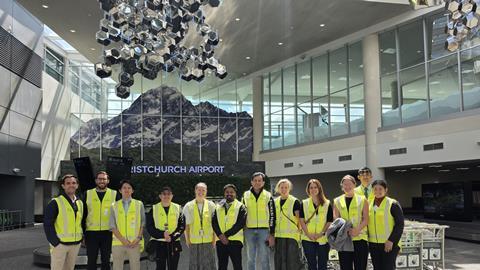
The 21st ACI Asia-Pacific and Middle East Regional Environment Committee meeting reviewed its work plan, sustainable aviation fuel developments and climate resilience priorities in Christchurch.
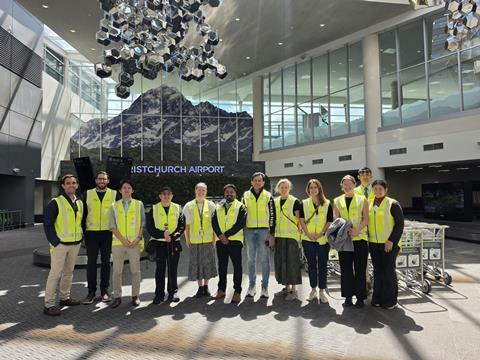
The 21st meeting of the ACI Asia-Pacific and Middle East Regional Environment Committee was held in Christchurch, New Zealand, on 10 and 11 November 2026. Hosted by Christchurch International Airport Limited (CHC), it brought together environmental and sustainability representatives, World Business Partners and industry leaders from across both regions.
Opened with a welcome from Michael Singleton, Chief Strategy and Stakeholder at Christchurch Airport, members reviewed the committee’s progress, its 2026 to 2027 work plan and a proposed strategy for 2027 to 2030. Updates from ACI World, ICAO and the Air Transport Action Group covered the industry’s net-zero ambition for 2050 and ACI’s environmental programmes, including the ACA Task Force and ACA Mentorship and Incentive Programmes.
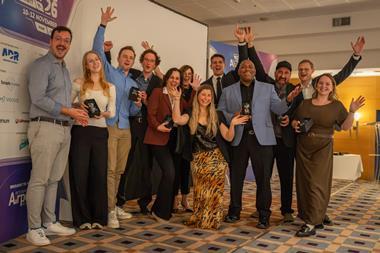
Josh McIvor of Wellington Airport (WLG) was recognised for mentoring Dunedin Airport (DUD) and all four Queensland Airports Limited airports in achieving ACA Level 4 accreditation.
Green Airports Recognition themes and climate resilience
The committee reviewed progress on the Green Airports Recognition (GAR) initiative and the Biennial Environment Survey. Based on member airport feedback, “AI for Sustainability” and “Innovation for Sustainability” emerged as the preferred themes for GAR 2028, alongside interest in waste minimisation and sustainable aviation fuel (SAF).
Climate adaptation and resilience formed a major part of the agenda. Sessions addressed operational continuity, the importance of assessing risks to critical infrastructure and use of the ACI Asia-Pacific and Middle East Climate Risk Assessment Toolkit.
Red Sea International Airport (RSI), Narita International Airport (NRT) and Christchurch Airport presented practical sustainability examples. Further sessions covered artificial intelligence in airport noise management, aircraft noise and community engagement, and SAF policies, implementation plans, infrastructure, blending facilities and barriers to wider deployment. Members also discussed environmentally friendly firefighting foam replacement and certification challenges, and European Commission proposals for EU Emissions Trading System reform.
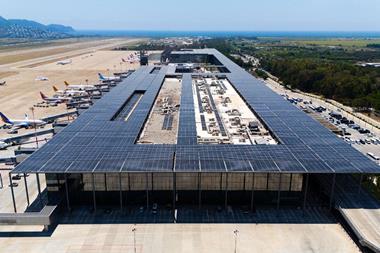
Delegates toured Christchurch Airport’s solar park, waste management facilities, ground-source heating and electric ground-service equipment charging. They also saw the Southern Hemisphere’s first all-electric airport fire truck, an example of how emergency-response operations can be part of decarbonisation while maintaining firefighting and safety capabilities. The visit concluded at the International Antarctic Centre.
The meeting reinforced the committee’s aim of advancing regional collaboration towards a more sustainable and climate-resilient aviation sector.



No comments yet