


Goal to let passengers keep liquids in their bags with new CT technology
- Like
- Digg
- Del
- Tumblr
- VKontakte
- Buffer
- Love This
- Odnoklassniki
- Meneame
- Blogger
- Amazon
- Yahoo Mail
- Gmail
- AOL
- Newsvine
- HackerNews
- Evernote
- MySpace
- Mail.ru
- Viadeo
- Line
- Comments
- Yummly
- SMS
- Viber
- Telegram
- Subscribe
- Skype
- Facebook Messenger
- Kakao
- LiveJournal
- Yammer
- Edgar
- Fintel
- Mix
- Instapaper
- Copy Link
Posted: 31 August 2018 | International Airport Review | No comments yet
CT scanners could be the answer to the 100ml liquid question. Los Angeles World Airports (LAWA) and the Transportation Security Administration (TSA) reveal their new technology to keep liquids in bags.
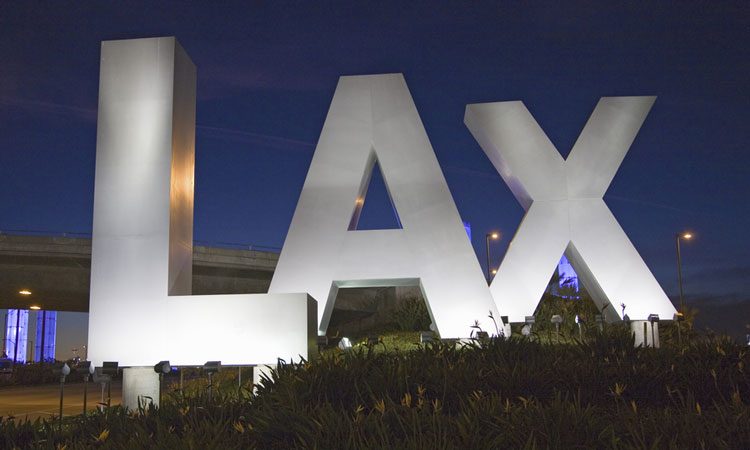
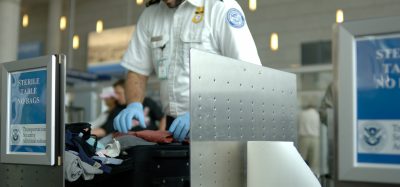
Representatives from Los Angeles World Airports (LAWA) and the Transportation Security Administration (TSA) showcased emerging technologies currently in use at the security checkpoint in Terminal 1 at Los Angeles International Airport (LAX) 30 August 2018.
TSA is testing a computed tomography (CT) scanner to screen passengers’ carry-on luggage. The unit, which creates a 3D image of the contents of the bag, is being tested in one lane at the checkpoint. The other technology in use is Credential Authentication Technology (CAT), which allows TSA to validate the security features of a passenger’s photo identification and match that information against the Secure Flight vetting system.
CT units are the latest checkpoint X-ray scanning technology, designed to enhance threat detection capabilities for carry-on baggage as TSA continues to raise the baseline for aviation security. The technology is similar to CT technology used in the medical field.
TSA currently uses CT technology to screen checked baggage, but is just beginning to use it in the security checkpoint. The scanning technology is able to detect shapes and densities of items including bulk and liquid explosives that could be a threat to commercial aviation.
Keith Jeffries, TSA federal security director at LAX said: “Through research and development, TSA has determined that CT-based screening technology is the best option available today for screening carry-on bags. We are pleased to partner with LAWA so we can jointly learn more about how the system operates in a busy airport environment. In the future, our goal is to allow passengers to keep liquids inside their carry-on luggage during the checkpoint screening process.”
Justin Erbacci, chief innovation and commercial strategy officer, LAWA said: “The new technologies being tested at the Terminal 1 checkpoint are examples of how we can use emerging technologies to create a faster, easier and more secure experience. As we work to re-imagine LAX, technology will be one of the ways we set ourselves apart from other airports. Our guests, as well as those at airports nationwide, will benefit from the testing of these processes and equipment.”
TSA’s current screening technology for carry-on bags uses 2D images. The CT technology applies sophisticated algorithms for the detection of explosives and other threats by creating a 3D image that can be viewed and rotated 360 degrees for a thorough analysis by TSA officers. If a bag requires further screening, TSA officers will inspect it to ensure that a threat item is not contained inside.
TSA plans to have up to 40 units in place at airports around the nation by the end of the year, along with 16 units at federal testing facilities. TSA expects to have more than 145 units installed at airports by the end of fiscal year 2019.
TSA is testing several manufacturers of CT checkpoint technology and the equipment at LAX is manufactured by Smiths Detection.
For the most up-to-date information about CT and to view a video of the 3D X-ray image, visit TSA’s “Emerging Technologies” webpage.
TSA is also using Credential Authentication Technology (CAT) in Terminal 1 at LAX. CAT units scan a passenger’s photo identification to verify the authenticity of the document. The system uses information from the photo identification to confirm a passenger’s flight status by cross-referencing it against the Secure Flight database.
CAT enhances security by effectively verifying passenger identification to determine whether identification documents presented at the checkpoint are authentic, fraudulent or expired and verifying the passenger’s Secure Flight vetting status in near real-time. When CAT is in use, the TSA officer will not request the passenger’s boarding pass unless the system is not able to access the individuals boarding information.
Related topics
Airside operations, New technologies, Regulation and Legislation, Safety, Security, Terminal operations
Related airports
Related organisations
Los Angeles World Airports (LAWA), Transportation Security Administration (TSA)

 Chief Executive Officer
 CEO
CEO Chief Operating Officer
 Head of Operations, Safety and Emergency
 Chief Strategy Development Officer
 Head of Operations
 Airport General Manager
 CEO
CEO Chief Executive Officer